Have you ever wondered if the trash bags you use truly align with your eco-conscious efforts? With growing concerns about plastic waste, selecting the right trash bags has become a crucial decision for many households. This comprehensive guide will explore the world of Recyclable Trash Bags, helping you understand their benefits, types, and how to make choices that genuinely contribute to a more sustainable lifestyle. We’ll delve into everything from understanding different materials to navigating proper disposal, ensuring your efforts to reduce environmental impact are as effective as possible.
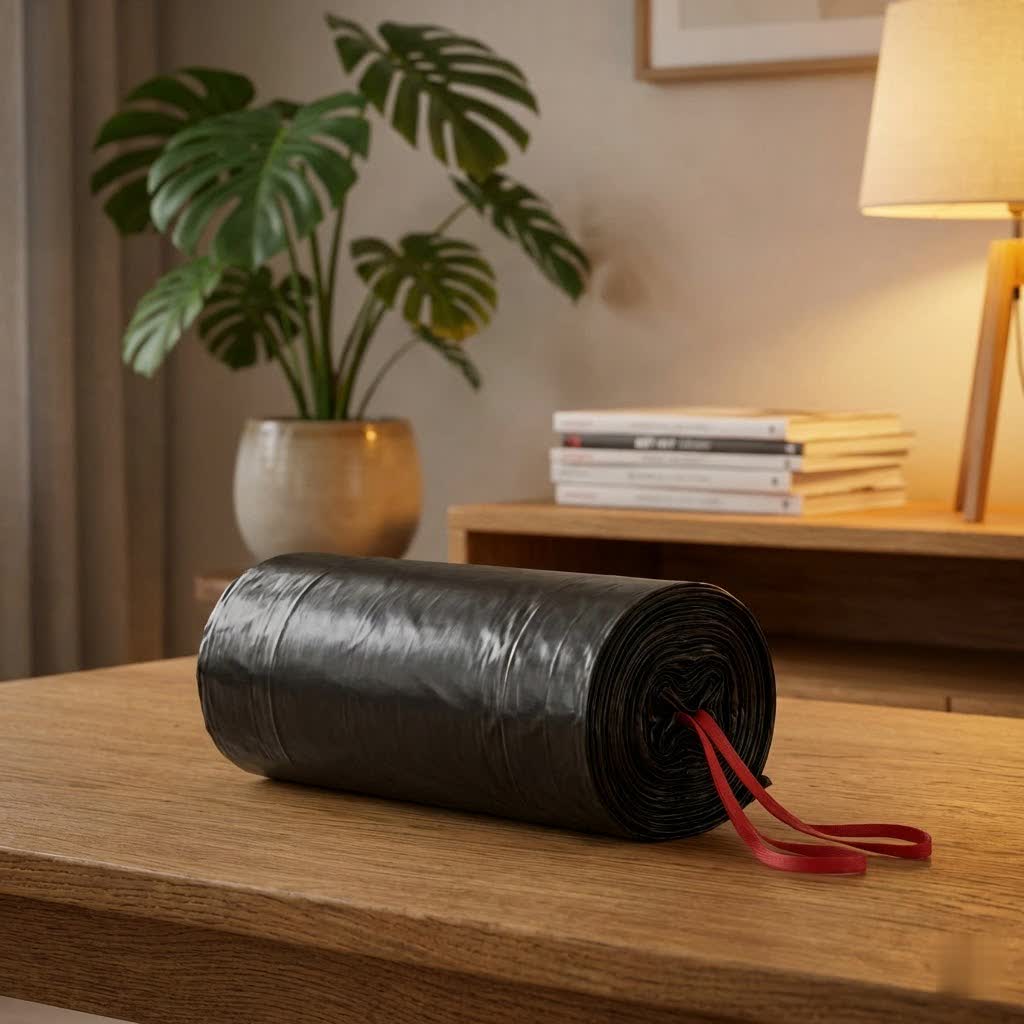
Understanding Different Types of Eco-Friendly Trash Bags
The market for environmentally friendly trash bags can be confusing, with terms like “biodegradable,” “compostable,” and “recyclable” often used interchangeably or without clear distinctions. It’s essential to understand what each term means and how it relates to your waste management practices.
- Traditional Plastic Trash Bags: These are typically made from virgin polyethylene and are not designed to be recycled through standard curbside programs. They persist in landfills for hundreds of years, breaking down into microplastics.
- Compostable Trash Bags: Made from plant-based materials like corn starch or PLA, these bags are designed to break down into organic matter under specific conditions. They require industrial composting facilities, which are not universally available, or certified home composting environments. If sent to a landfill, they often don’t decompose properly due to a lack of oxygen and can produce methane, a potent greenhouse gas. They are generally suitable for collecting food waste for composting programs, but not for general household waste destined for landfills or recycling centers.
- Recycled-Content Trash Bags: These bags are made, in part or entirely, from post-consumer recycled (PCR) plastic materials. While they are still plastic, their production uses fewer virgin resources and diverts existing plastic from landfills. These bags are designed for general waste collection and are not typically recyclable themselves in most curbside programs once filled with mixed trash. The “recyclable” aspect refers to the material used to make them, not necessarily their end-of-life disposal.
- Plastic Film Recyclable Bags: Some specific plastic bags, often those made from HDPE (#2) or LDPE (#4) films, can be recycled. However, they are almost never accepted in curbside bins because they jam sorting machinery. Instead, these clean and dry bags (like grocery bags, bread bags, and sometimes certain clean trash bags) must be taken to specialized store drop-off locations (e.g., at supermarkets or large retailers) where plastic film recycling is available.
For the purpose of this article on “recyclable trash bags,” we will primarily focus on recycled-content bags that reduce virgin plastic use and clarify how certain plastic films can be recycled at designated drop-off points.
Comparing Leading Recycled-Content Trash Bag Brands
Choosing a recycled-content trash bag means you’re actively contributing to the circular economy by utilizing existing plastics. Here’s a look at some popular brands known for their commitment to using recycled materials:
- Clean People: Offers garbage bags made with 65% post-consumer recycled material. They are known for being heavy-duty and resistant to punctures, tears, and leaks, ideal for kitchen messes.
- Who Gives A Crap: This brand is praised for offering 100% recycled trash bags that are strong and durable, often noted by users for their resistance to ripping. They also emphasize sustainable packaging for their products.
- Seventh Generation: Provides tall kitchen trash bags consisting of 55% recycled plastic, with a portion of that being post-consumer recycled material. They are a well-known brand in the eco-friendly household product space.
- Evolution Trash Bags (White Rhino Super Tough): These bags are manufactured with a high percentage of PCR (Post-consumer recycled) material, specifically 94% PCR LLDPE, making them a very strong option for reducing environmental impact.
While these brands focus on using recycled content, it’s crucial to remember that once filled with mixed household waste, these bags typically cannot be recycled again through standard methods. Their primary environmental benefit comes from their manufacturing process.
Comparison Table: Recycled-Content Trash Bags
|
Our Picks for the Best Trash Bags in 2026
We may earn a commission when you use one of our links to make a purchase.
|
||
| Num | Product | Action |
|---|---|---|
| 1 | Hefty Ultra Strong Tall Kitchen Trash Bags, Lavender & Sweet Vanilla Scent, 13 Gallon, 80 Count |

|
| 2 | Glad ForceFlex Tall Kitchen Drawstring Trash Bags, 13 Gal, Fragrance Free, 110 Ct (Package May Vary) |
|
| 3 | Reli. 55-60 Gallon Trash Bags Heavy Duty - 150 Count - 50-60 Gallon - Large Black Garbage Bags - Made in USA |
|
| 4 | Amazon Basics 13 Gallon Tall Kitchen Drawstring Trash Bags, Unscented, 10% Post Consumer Recycled, 200 Count |
|
| 5 | Amazon Basics Multipurpose Drawstring Trash Bags, 30 Gallon, 50 Count (Previously Solimo) |
|
| 6 | Hefty Ultra Strong Trash Bags, Black Tall Kitchen Trash Bags 13 Gallon Size, Break Resistant Drawstring Enclosure, Continuous Odor Control, Blackout, Clean Burst Scent, 80 Bags |
|
| 7 | Hefty Ultra Strong Tall Kitchen Trash Bags, Citrus Twist Scent, 13 Gallon, 80 Count |
|
| 8 | Amazon Basics 30 Gallon Flextra Strength Multipurpose Drawstring Trash Bags, 20% Post Consumer Recycled, 50 count |
|
| 9 | Trash Bags with Drawstring, Leak-Proof Tear-Resistant Waste Bags for Bathroom Can, 20x18 Inch(4 Packs/60 Pack) |
|
| 10 | Amazon Basics Flextra Tall Kitchen Drawstring Trash Bags, 13 Gallon, 120 Count |
|
| Brand | Key Feature (Recycled Content) | Advantages | Disadvantages | Price Range (Approx.) |
|---|---|---|---|---|
| Clean People | 65% Post-Consumer Recycled | Heavy-duty, strong, puncture-resistant | May not be 100% recycled content | Mid-High |
| Who Gives A Crap | 100% Recycled | Very strong, durable, sustainable packaging | Limited availability in some regions | Mid-High |
| Seventh Generation | 55% Recycled (16% PCR) | Widely available, trusted eco-brand | Lower PCR percentage than some alternatives | Mid-Range |
| Evolution (White Rhino) | 94% Post-Consumer Recycled LLDPE | Exceptionally tough, high PCR content, UL ECOLOGO Certified | May be less common in retail stores | High |
(Note: Pricing is approximate and can vary by retailer, size, and pack quantity.)
Guiding Your Choice: Selecting the Right Trash Bag
Choosing the right trash bag goes beyond simply grabbing the nearest box. It involves considering your specific needs, local waste infrastructure, and overall environmental goals.
- Assess Your Waste Stream:
- General Household Waste: For typical mixed waste (non-recyclables, non-compostables), recycled-content trash bags are an excellent choice as they reduce demand for virgin plastic.
- Food and Organic Waste: If you have access to industrial or home composting, certified compostable bags are ideal for collecting food scraps. Ensure they are explicitly labeled for the type of composting you use.
- Dry Recyclables: Never use any type of plastic trash bag to collect items for curbside recycling. Loose items are best. If you need to transport sorted plastic films to a drop-off, a clean plastic bag (which you can then also recycle there) is acceptable.
- Understand Local Recycling Rules: This is paramount. Most municipal curbside recycling programs do NOT accept plastic bags, including those made from recycled content or even clean plastic film bags, because they jam sorting machinery. Check with your local waste management provider for specific guidelines on plastic film recycling drop-off locations.
- Key Factors to Consider:
- Durability and Strength: A good trash bag, whether recycled-content or not, needs to withstand the weight and sharpness of your waste without tearing or leaking. Look for multi-ply construction or “flex” technology.
- Size: Ensure the bag fits your trash can snugly without falling in or overflowing.
- Material: Opt for bags made with a high percentage of post-consumer recycled (PCR) plastic to maximize environmental benefits. For compostable bags, look for certifications like BPI (Biodegradable Products Institute) for industrial composting or TUV Home Compostable for home composting.
- Features: Drawstrings make bags easier to close and carry, while scented bags can help mask odors.
- Environmental Impact: Prioritize options that clearly state their recycled content or composting certifications.
Maximizing Impact: Tips for Using and Disposing of Trash Bags
Even with the right bags, proper usage and disposal are key to minimizing environmental harm.
- Prevent Leaks and Tears:
- Avoid overfilling bags; leave enough room to tie them securely.
- Wrap sharp objects (like broken glass or metal) in newspaper or cardboard before placing them in the bag.
- Drain liquids from waste where possible to reduce weight and prevent messy leaks.
- Storage Best Practices:
- Store unused trash bags in a cool, dry place away from direct sunlight to maintain their integrity.
- Keep them out of reach of children and pets.
- Responsible Disposal:
- General Waste (in Recycled-Content Bags): These bags, filled with mixed waste, go into your regular garbage bin for landfill or incineration, depending on local facilities. Their eco-benefit is in their production, not their post-use recyclability.
- Plastic Film Recycling: For clean, dry plastic bags (like grocery bags, dry cleaning bags, or even empty and clean recycled-content trash bags if they have a #2 or #4 symbol and are accepted locally), seek out store drop-off programs. These are dedicated bins, often found at supermarkets, where plastic films are collected separately. Never put these in your curbside recycling.
- Compostable Bags (with Organics): If using certified compostable bags for food waste, ensure they go to an appropriate composting facility or a certified home compost pile. Do not put them in the regular trash or recycling unless explicitly instructed by your local waste management.
- Reuse Where Possible: Consider reusing sturdy plastic bags (e.g., shopping bags) as small trash can liners or for organizing items before they reach their final disposal point.
Environmentally Friendly Trash Bags: A Deeper Look
The journey towards more sustainable waste management involves understanding the nuances of different “eco-friendly” claims.
Recycled-content trash bags are an excellent step forward. By incorporating post-consumer recycled plastic (PCR), they reduce the amount of virgin plastic produced and divert waste from landfills. This closed-loop approach is vital for promoting a circular economy. When choosing these bags, look for certifications or clear labeling indicating the percentage of PCR content. The higher the percentage, the greater the environmental benefit.
The debate between compostable and recyclable options for packaging, including bags, often highlights the principle of the waste hierarchy. Recycling, in many cases, is considered superior to composting for non-organic materials because it extends the life of the material and reduces the need for new resource extraction. Compostable bags, while breaking down, effectively dispose of the material rather than perpetually reusing it. Furthermore, composting non-organic materials, if not done correctly, can introduce contaminants or undesirable elements into the compost, making it less valuable. Therefore, for general waste where recycling isn’t an option, recycled-content bags often present a practical and impactful choice.
Where to Purchase Recyclable Trash Bags
Finding recycled-content trash bags is becoming increasingly easier as consumer demand for sustainable products grows.
- Supermarkets and Grocery Stores: Many large grocery chains now stock eco-friendly alternatives, often including recycled-content bags from brands like Seventh Generation or store-brand options.
- Online Retailers: Websites like Amazon, Grove Collaborative, or the direct brand websites (e.g., Who Gives A Crap, Clean People) offer a wider selection, allowing you to compare products and read reviews easily. Look for clear descriptions of recycled content and certifications.
- Specialty Eco-Friendly Stores: Dedicated environmental product retailers, both online and brick-and-mortar, will often have a curated selection of recycled-content and certified compostable bags.
- Bulk Stores: Sometimes you can find larger quantities of recycled-content bags at warehouse clubs or bulk supply stores, which can be cost-effective.
When buying online, pay close attention to product descriptions to verify the percentage of recycled content and any relevant certifications.
Buying Guide: Essential Criteria for Recyclable Trash Bags
To make an informed purchase, keep these key criteria in mind:
- Recycled Content Percentage: Prioritize bags with the highest percentage of post-consumer recycled (PCR) plastic. This directly correlates to the reduction of virgin plastic use.
- Durability: Look for terms like “heavy-duty,” “tear-resistant,” or “flex strength.” The bag needs to reliably contain your waste without breaking.
- Size and Fit: Measure your trash can to ensure you select bags that fit well, preventing messy spills and maximizing capacity.
- Material Type (if recyclable): For bags intended for plastic film recycling drop-offs, check for HDPE (#2) or LDPE (#4) symbols and ensure they are clean and dry.
- Features: Consider practical features like drawstrings for easy tying and carrying, or leak-proof designs for kitchen waste.
- Price: While eco-friendly options might sometimes have a slightly higher upfront cost, consider the long-term environmental benefits and the cost of potential leaks or breakage from flimsy alternatives.
Conclusion
Navigating the world of trash bags can feel daunting, but choosing recycled-content options is a significant step towards a more sustainable home. These bags, made from existing plastics, help conserve resources and reduce landfill waste, though their post-use disposal still typically involves general waste. Remember the critical distinction between recycled-content and compostable bags, and always verify local recycling guidelines for plastic films. By making informed choices about the bags you buy and how you dispose of them, you can empower your household to make a real difference in reducing plastic pollution. What small change will you make today to improve your waste management routine?
Frequently Asked Questions
Can I put my general trash in a recyclable trash bag and then put it in my curbside recycling bin?
No, generally, you should not put any plastic trash bags, even those made from recycled content, into your curbside recycling bin if they contain mixed waste. Most recycling facilities are not equipped to process plastic bags and they can jam machinery, causing operational disruptions and potentially sending entire batches of recyclables to the landfill.
How do I know if a plastic bag is truly recyclable?
Look for recycling symbols, specifically #2 (HDPE) or #4 (LDPE), on the bag. Even with these symbols, these types of plastic film bags are almost exclusively collected through designated store drop-off programs, not curbside recycling. Always ensure bags are clean and dry before dropping them off.
What is the difference between “biodegradable” and “compostable” trash bags?
“Biodegradable” simply means a material will break down naturally over time, but it doesn’t specify the conditions or timeframe, and often leaves behind microplastics. “Compostable” means a material will break down into organic matter within a specific timeframe under specific conditions (either industrial or home composting environments) and leave no toxic residue. Certified compostable bags are a better choice for organic waste than general biodegradable bags.
Are recycled-content trash bags as strong as virgin plastic bags?
Modern manufacturing processes have significantly improved the strength and durability of recycled-content trash bags. Many brands now offer heavy-duty options that perform comparably to, or even better than, traditional virgin plastic bags, thanks to advancements in material blends and construction techniques.