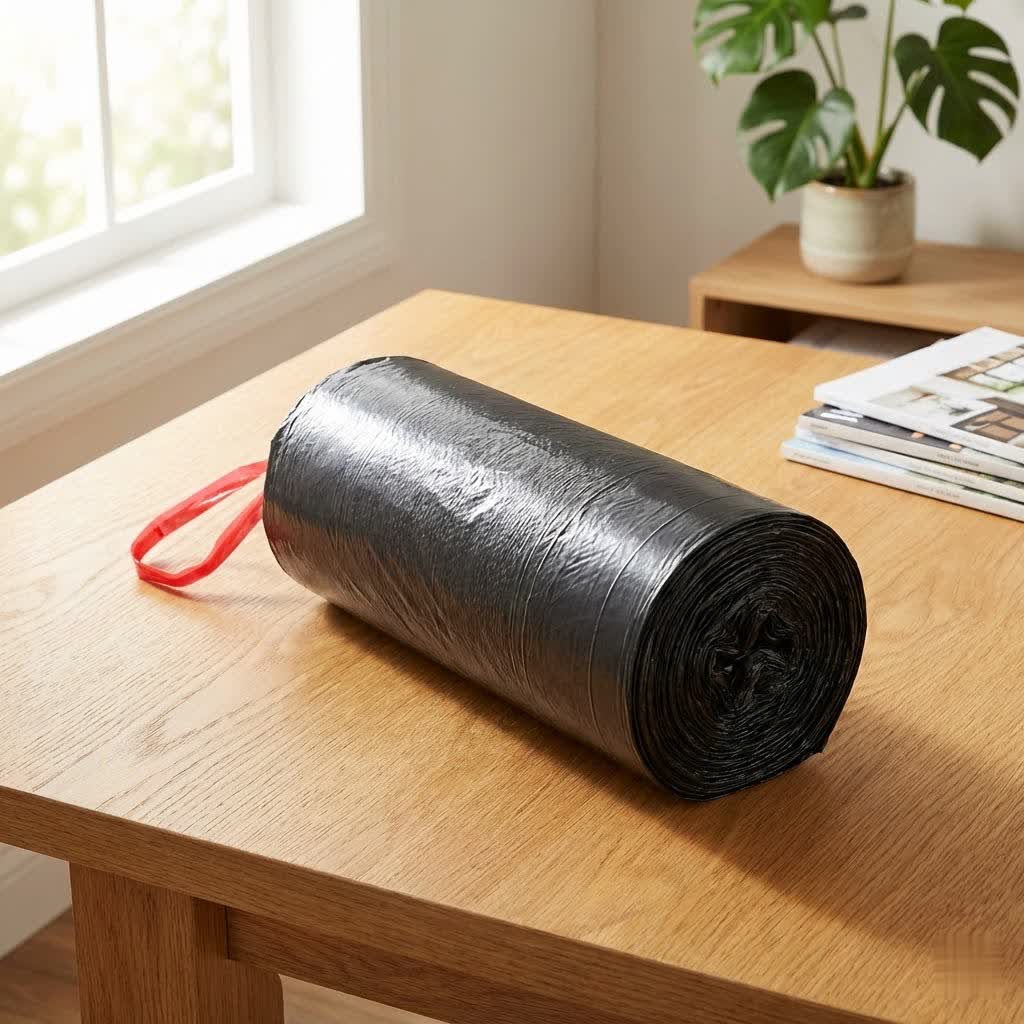
Heavy-duty trash bags are essential for managing demanding waste, preventing tears and spills with enhanced durability. They are typically made from Low-Density Polyethylene (LDPE) or Linear Low-Density Polyethylene (LLDPE) for superior puncture resistance, especially for sharp or heavy items. For example, contractor bags often feature 3-6 mil thickness, significantly more robust than standard 0.9 mil kitchen bags, ensuring they stand up to construction debris, yard waste, and other challenging loads.
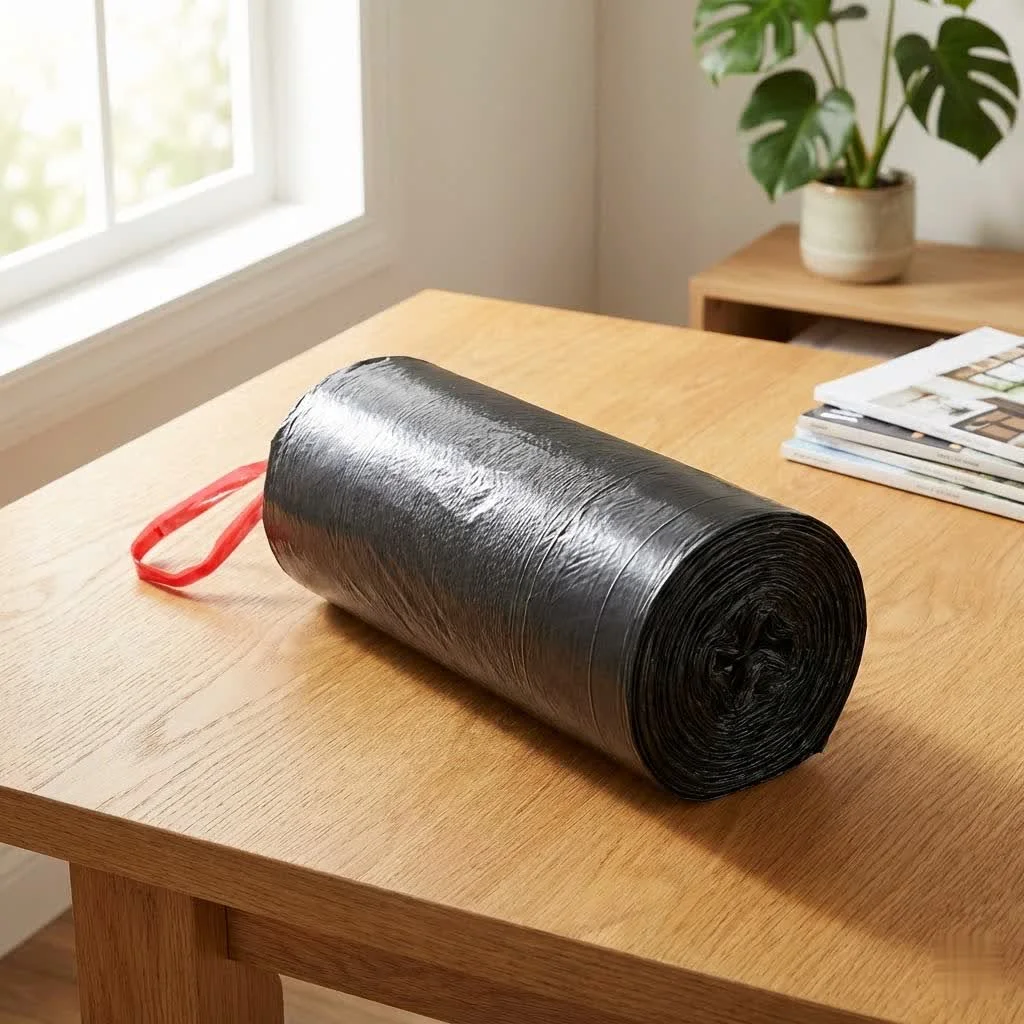
Types of Heavy-Duty Trash Bags
Heavy-duty trash bags are not a one-size-fits-all solution; they come in various forms, each designed for specific demanding tasks. Understanding these types is crucial for making an informed choice.
The primary distinction often lies in the material and construction. Most heavy-duty bags are made from polyethylene, a common plastic. The two main forms are Low-Density Polyethylene (LDPE) or Linear Low-Density Polyethylene (LLDPE) and High-Density Polyethylene (HDPE). LDPE/LLDPE bags are typically more flexible, thicker, and offer superior resistance to punctures and tears, making them ideal for heavier, wetter, or irregularly shaped waste, including items with sharp edges. On the other hand, HDPE bags are generally thinner but can be surprisingly strong for carrying heavy loads of non-sharp waste like paper and general office trash. However, they are more prone to tearing if punctured. For truly heavy-duty applications, especially involving sharp objects, LDPE/LLDPE is almost always the preferred choice.
Beyond material, you’ll find variations like contractor bags, industrial liners, and extra-large yard waste bags. Contractor bags, for instance, are specifically engineered for construction and demolition debris, often featuring very high mil thicknesses (e.g., 3-6 mil) for extreme puncture resistance.
Leading Heavy-Duty Trash Bag Brands Comparison
The market offers a variety of reputable brands specializing in heavy-duty solutions. While many brands produce general-purpose bags, some excel in the heavy-duty category, focusing on enhanced durability and strength.
Brands like Glad ForceFlex Plus and Hefty Ultra Strong are widely recognized for their performance in household and light-commercial heavy-duty applications. Glad ForceFlex Plus, for example, is noted for its ability to handle significant weight and resist tears, even with sharp-edged objects. Hefty Ultra Strong also receives positive feedback for its robust construction. For industrial-grade tasks and construction debris, brands such as Husky, PlasticMill, and Demobags offer contractor-grade options with higher mil thicknesses designed to withstand extreme conditions. These brands often prioritize raw strength and tear resistance over features like odor control or flexibility, though many now incorporate drawstring closures for easier handling and secure tying.
Heavy-Duty Trash Bag Comparison Table
|
Our Picks for the Best Trash Bags in 2026
As an Amazon Associate I earn from qualifying purchases.
|
||
| Num | Product | Action |
|---|---|---|
| 1 | Amazon Basics Multipurpose Drawstring Trash Bags, 30 Gallon, 50 Count (Previously Solimo) |

|
| 2 | Reli. 55-60 Gallon Trash Bags Heavy Duty - 150 Count - 50-60 Gallon - Large Black Garbage Bags - Made in USA |
|
| 3 | Glad ForceFlex Tall Kitchen Drawstring Trash Bags, 13 Gal, Fragrance Free, 110 Ct (Package May Vary) |
|
| 4 | Trash Bags with Drawstring, Leak-Proof Tear-Resistant Waste Bags for Bathroom Can, 20x18 Inch(4 Packs/60 Pack) |
|
| 5 | Amazon Basics 30 Gallon Flextra Strength Multipurpose Drawstring Trash Bags, 20% Post Consumer Recycled, 50 count |
|
| 6 | Hefty Ultra Strong Tall Kitchen Trash Bags, Lavender & Sweet Vanilla Scent, 13 Gallon, 80 Count |
|
| 7 | Hefty Ultra Strong Trash Bags, Black Tall Kitchen Trash Bags 13 Gallon Size, Break Resistant Drawstring Enclosure, Continuous Odor Control, Blackout, Clean Burst Scent, 80 Bags |
|
| 8 | Hefty Ultra Strong Tall Kitchen Trash Bags, Citrus Twist Scent, 13 Gallon, 80 Count |
|
| 9 | Amazon Basics 13 Gallon Tall Kitchen Drawstring Trash Bags, Unscented, 10% Post Consumer Recycled, 200 Count |
|
| 10 | Amazon Basics Flextra Tall Kitchen Drawstring Trash Bags, 13 Gallon, 120 Count |
|
| Brand | Type of Bag (Common) | Key Advantages | Potential Disadvantages | Gauge (Mil) / Typical Use |
|---|---|---|---|---|
| Glad ForceFlex Plus | Kitchen/Household | Excellent stretch, tear-resistant, strong drawstring | Drawstring may break if overloaded | ~0.9-1.2 mil (Kitchen), ~1.5 mil (Large) |
| Hefty Ultra Strong | Kitchen/Household | Good strength, odor control, secure grip | Some users report bags slipping | ~0.9-1.2 mil (Kitchen), ~1.5 mil (Large) |
| Husky | Contractor/Industrial | Very thick, high puncture resistance, large capacity | Less flexible, heavier to handle | 2-6 mil (Construction, Yard Waste) |
| PlasticMill | Contractor/Industrial | Variety of thicknesses, large sizes, clear options | May be harder to find in retail stores | 2-3 mil (Construction, Large Cleanouts) |
| Simplehuman | Kitchen | Custom fit for bins, strong, aesthetically pleasing | Higher price point, specific bin fit | Varies by code (Kitchen) |
How to Choose the Right Heavy-Duty Trash Bag for Your Needs
Selecting the ideal heavy-duty trash bag requires a clear understanding of your specific requirements. The “best” bag truly depends on what you’re throwing away and where.
First, identify your primary usage: Are you tackling a home renovation, managing a bustling restaurant kitchen, or simply seeking a more robust solution for everyday household waste? For construction sites or renovation projects, you’ll need bags with exceptional puncture resistance, often labeled “contractor-grade” or with a high mil thickness (2.0 mil and above). If your waste includes sharp objects like broken glass, metal scraps, or thorny yard debris, prioritize bags made from LDPE/LLDPE for their superior resistance to tears and punctures. For wet, heavy kitchen waste, a robust LDPE bag with good leak protection is essential. Consider the size of your trash receptacle. Heavy-duty bags come in a wide range of capacities, from standard kitchen sizes (13 gallons) up to large industrial and contractor bags (55-60+ gallons). Always choose a bag that comfortably fits your bin, leaving enough slack for tying, to prevent overfilling and tearing.
Key factors to consider include the bag’s material density (LDPE/LLDPE for puncture resistance), mil thickness (higher mil for heavier, sharper waste), and closure type (drawstrings or tie-tops offer convenience and security). For those concerned about environmental impact, look for options made from recycled content or biodegradable materials, though these may vary in heavy-duty performance.
Tips for Using and Storing Heavy-Duty Trash Bags
Maximizing the performance and longevity of your heavy-duty trash bags involves more than just tossing in waste. Proper usage and storage can prevent unnecessary tears, leaks, and odors.
When filling a heavy-duty bag, avoid overloading it beyond its stated weight capacity, even if it feels like it can hold more. Distribute heavy or sharp items evenly to prevent concentrated stress points that could lead to punctures. If you’re dealing with very sharp objects, consider wrapping them in newspaper or cardboard before placing them in the bag for an extra layer of protection. When sealing the bag, use the drawstring or ties securely to prevent spills and contain odors. For unusually heavy bags, avoid dragging them; lift from the bottom whenever possible, or use a dolly or cart.
To preserve the integrity of unused bags, store them in a cool, dry place away from direct sunlight or extreme temperatures, which can degrade the plastic over time. Keeping them in their original packaging can also protect them from dust and damage. Proper disposal of heavy-duty waste also means checking local regulations, especially for construction or hazardous materials, to ensure they are handled safely and responsibly.
Eco-Friendly Heavy-Duty Trash Bags
As environmental consciousness grows, so does the demand for sustainable waste solutions, even in the heavy-duty category. Eco-friendly heavy-duty trash bags offer a way to manage tough waste with a reduced environmental footprint.
These options typically include bags made from recycled plastics or those designed to be compostable or biodegradable. Bags made with a percentage of Post-Consumer Recycled (PCR) content reduce reliance on virgin plastics, diverting waste from landfills and conserving resources. While not fully biodegradable, they represent a step towards sustainability without compromising significant strength. For truly green alternatives, some heavy-duty bags are made from plant-based materials like corn starch, designed to break down more quickly in composting facilities. However, it’s crucial to distinguish between “biodegradable” and “compostable,” as biodegradable bags may still require specific conditions to break down effectively and might not be suitable for all composting systems.
Choosing eco-friendly heavy-duty bags benefits the environment by lowering carbon emissions and reducing plastic pollution. When selecting these options, always check for certifications (e.g., BPI certification for compostable bags) to ensure they meet established environmental standards. While they might be a bit more expensive than traditional plastic bags, the long-term environmental benefits are significant.
Where to Buy Heavy-Duty Trash Bags?
Finding the right heavy-duty trash bags is easier than ever, with numerous purchasing channels available to meet diverse needs. Your choice of where to buy might depend on the quantity you need, urgency, and specific type of bag.
For standard heavy-duty kitchen bags and larger household sizes, major supermarkets and hypermarkets are convenient options, stocking popular brands like Glad and Hefty. Hardware stores and home improvement centers (e.g., The Home Depot, Lowe’s) are excellent sources for contractor bags and industrial-grade liners, often featuring brands like Husky and PlasticMill with various mil thicknesses and capacities. These stores also typically offer bulk packs, which can be cost-effective.
Online retailers like Amazon, Walmart, and specialty janitorial supply websites provide an even broader selection, including less common sizes, specific materials, and niche brands. Buying online offers the convenience of home delivery and the ability to compare prices and read reviews easily. However, when purchasing online, always double-check product specifications, including mil thickness and dimensions, to ensure the bag meets your heavy-duty needs. Comparing prices across different channels and considering shipping costs for bulk orders can help you get the best deal.
Reference Price Guide for Heavy-Duty Trash Bags (Updated 2024)
| Type of Bag | Size (Gallons) | Quantity (per roll/box) | Estimated Price Range (USD) |
|---|---|---|---|
| Heavy-Duty Kitchen | 13-15 | 40-100 | $0.15 – $0.30 per bag |
| Large Household/Yard | 30-33 | 20-50 | $0.25 – $0.50 per bag |
| Contractor/Industrial | 42-60 | 10-50 | $0.60 – $1.50 per bag |
| Extra Heavy-Duty/Woven | 60+ | 10-30 | $1.20 – $3.00+ per bag |
Note: Prices are approximate and can vary based on brand, retailer, mil thickness, features (e.g., odor control, drawstring), and promotions.
Buying Guide: Essential Criteria for Heavy-Duty Trash Bags
When investing in heavy-duty trash bags, focusing on a few critical criteria will ensure you get the best value and performance for your money. Don’t let a “heavy-duty” label fool you; examine the specifics to guarantee reliability.
- Durability and Strength (Mil Thickness): This is paramount for heavy-duty applications. Look for bags with a higher mil count, which indicates greater thickness and resistance to punctures and tears. While standard kitchen bags are often around 0.9 mil, true heavy-duty bags start around 1.5 mil and can go up to 6 mil for contractor-grade needs. Prioritize tear and puncture resistance over sheer stretchiness if your waste contains sharp items.
- Size and Capacity: Match the bag’s gallon capacity to your trash can. Overfilling a bag, even a heavy-duty one, increases the risk of rupture. Always allow for enough overhang to securely tie the bag when full. Consider the dimensions (width and height) in addition to volume for an optimal fit.
- Material Composition: As discussed, Low-Density Polyethylene (LDPE) or Linear Low-Density Polyethylene (LLDPE) offers excellent flexibility and puncture resistance, making them ideal for heavy, wet, and sharp waste. High-Density Polyethylene (HDPE) can be strong for heavy but non-sharp trash, and often more cost-effective.
- Closure Mechanism: Drawstrings are popular for ease of closing and carrying, providing a secure seal and helping to keep the bag in place. Tie-top bags offer a strong, traditional closure, while flat-top bags (often found in contractor sizes) require manual tying but can be highly economical for large volumes.
- Additional Features: Consider features like odor neutralization (for kitchen waste), scented options (if preferred), or reinforced bottoms for added protection against leaks. Some bags also feature textured surfaces or elasticized bands to grip the rim of the trash can more effectively.
Conclusion
Choosing the right heavy-duty trash bag can improve your waste disposal experience from a constant chore to a seamless task. By understanding the nuances of material, thickness, and size, you empower yourself to select bags that are genuinely up to the challenge, whether it’s a home renovation, extensive yard work, or simply the daily demands of a busy household. Prioritizing strength and durability not only prevents messy accidents but also ensures efficiency and peace of mind.
Are you ready to say goodbye to unexpected spills and tears for good?
Frequently Asked Questions
What is the difference between “heavy-duty” and “contractor-grade” trash bags?
While both terms imply strength, “contractor-grade” typically refers to the thickest and most durable heavy-duty bags, often with mil counts of 2.0 mil or higher, designed specifically for construction debris, demolition, and other extremely tough waste that would shred standard bags. Heavy-duty can be a broader category, including robust kitchen or yard bags that are stronger than average but not necessarily contractor-level.
Can I use heavy-duty trash bags for recycling?
You can use heavy-duty bags to collect recyclables, but in most areas, you should empty the contents directly into your recycling bin or facility without bagging them. Check your local recycling guidelines, as plastic bags themselves are often considered contaminants in recycling streams and require separate disposal.
Frequently Asked Questions
What makes a trash bag truly heavy-duty for tough waste?
A trash bag is considered truly heavy-duty based on its material composition and mil thickness. Bags made from LDPE/LLDPE with a thickness of 1.5 mil or higher offer superior resistance to punctures and tears, making them suitable for sharp or heavy waste. Contractor-grade bags, for instance, often exceed 2.0 mil for extreme durability.
Which material is best for heavy-duty trash bags with sharp objects?
For heavy-duty trash bags containing sharp objects, Low-Density Polyethylene (LDPE) or Linear Low-Density Polyethylene (LLDPE) is the best material. These materials provide excellent flexibility and superior resistance to punctures and tears compared to High-Density Polyethylene (HDPE). This makes them ideal for construction debris, broken glass, or thorny yard waste.
How do I choose the correct size heavy-duty trash bag for my bin?
To choose the correct size heavy-duty trash bag, match the bag's gallon capacity to your trash can's volume. Ensure the bag's dimensions (width and height) allow for enough overhang to securely tie it when full, preventing overfilling and potential rupture. For example, a 13-gallon kitchen bin needs a 13-gallon bag with sufficient slack.
Are eco-friendly heavy-duty trash bags as strong as traditional ones?
Eco-friendly heavy-duty trash bags, particularly those made with Post-Consumer Recycled (PCR) content, can offer comparable strength to traditional bags while reducing environmental impact. Plant-based compostable options are also available, but their heavy-duty performance may vary. Always check for certifications like BPI for compostable bags to ensure they meet environmental standards.
Where can I buy contractor-grade heavy-duty trash bags in bulk?
Contractor-grade heavy-duty trash bags can be purchased in bulk at hardware stores and home improvement centers like The Home Depot or Lowe's. Online retailers such as Amazon, Walmart, and specialty janitorial supply websites also offer a wide selection of bulk options. These sources often feature brands like Husky and PlasticMill with various mil thicknesses.
How to Choose the Right Heavy-Duty Trash Bag
Selecting the ideal heavy-duty trash bag requires understanding your specific waste management needs to ensure durability and prevent messy spills.
Determine if you need bags for home renovation, restaurant waste, or general household trash. Construction sites require contractor-grade bags with 2.0 mil thickness or higher for exceptional puncture resistance.
For sharp objects like glass or metal, choose bags made from LDPE/LLDPE for superior tear and puncture resistance. For heavy, wet kitchen waste, a robust LDPE bag with good leak protection is essential.
Select a bag that comfortably fits your trash can, from 13-gallon kitchen sizes to 60+ gallon industrial bags. Ensure there's enough slack for secure tying to prevent overfilling and tearing.
Opt for higher mil thickness (1.5 mil and above) for heavier, sharper waste. Choose drawstrings or tie-tops for convenience and security, or flat-top bags for economical large volumes.
Look for features like odor neutralization for kitchen waste, reinforced bottoms for leak protection, or eco-friendly options made from recycled content. Check for certifications for compostable bags.
Get our weekly buyer guide
Practical specs, not advice. Unsubscribe anytime.

Finally, a trash bag that can handle my workshop debris! I’m constantly throwing away sharp metal shavings and heavy offcuts, and standard bags just don’t cut it. These heavy-duty options, especially the ones designed for commercial use, have been a game-changer. No more messy spills or having to clean up after a bag rips open.
I’ve been using these contractor bags for my garage cleanouts and they are seriously impressive. The 3-6 mil thickness really makes a difference when I’m tossing in old tools and broken bits of wood. No more double-bagging or worrying about punctures. Definitely worth the investment for tough jobs.
I bought a pack of these for general household use, thinking the extra durability would be good. While they definitely don’t tear, I found them a bit overkill for everyday trash. The material, probably the Low-Density Polyethylene, feels a little too thick for just food scraps and paper. They’re fine, but I’ll probably stick to standard bags for my kitchen and save these for bigger projects.
These heavy-duty bags are great for yard waste. I used to struggle with thinner bags tearing when I put in thorny branches or wet leaves, but these hold up. I appreciate that they’re made from LLDPE, which seems to give them that extra stretch and resistance. My only minor complaint is that they can be a bit pricey compared to regular kitchen bags, but the durability makes up for it.