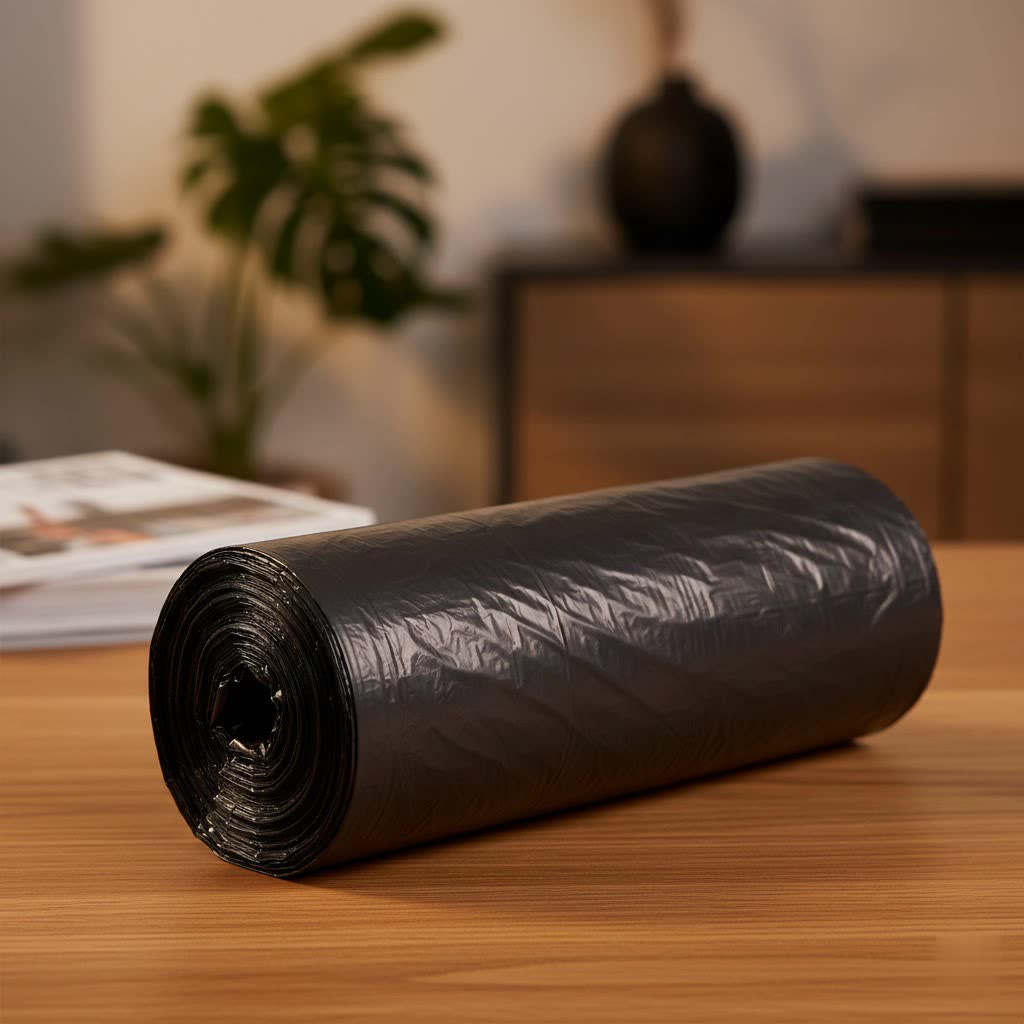
Dealing with waste is an unavoidable part of daily life, whether you’re tackling household chores, managing an office, or overseeing a construction site. While often overlooked, the right trash bag can make all the difference, preventing messy leaks, containing odors, and making disposal hassle-free. If you’ve ever struggled with bags that rip under pressure or don’t fit your bin, you know the frustration. This comprehensive guide will navigate the world of big trash bags, helping you understand the various types, top brands, and crucial factors to consider so you can confidently choose the best option for your needs and budget.
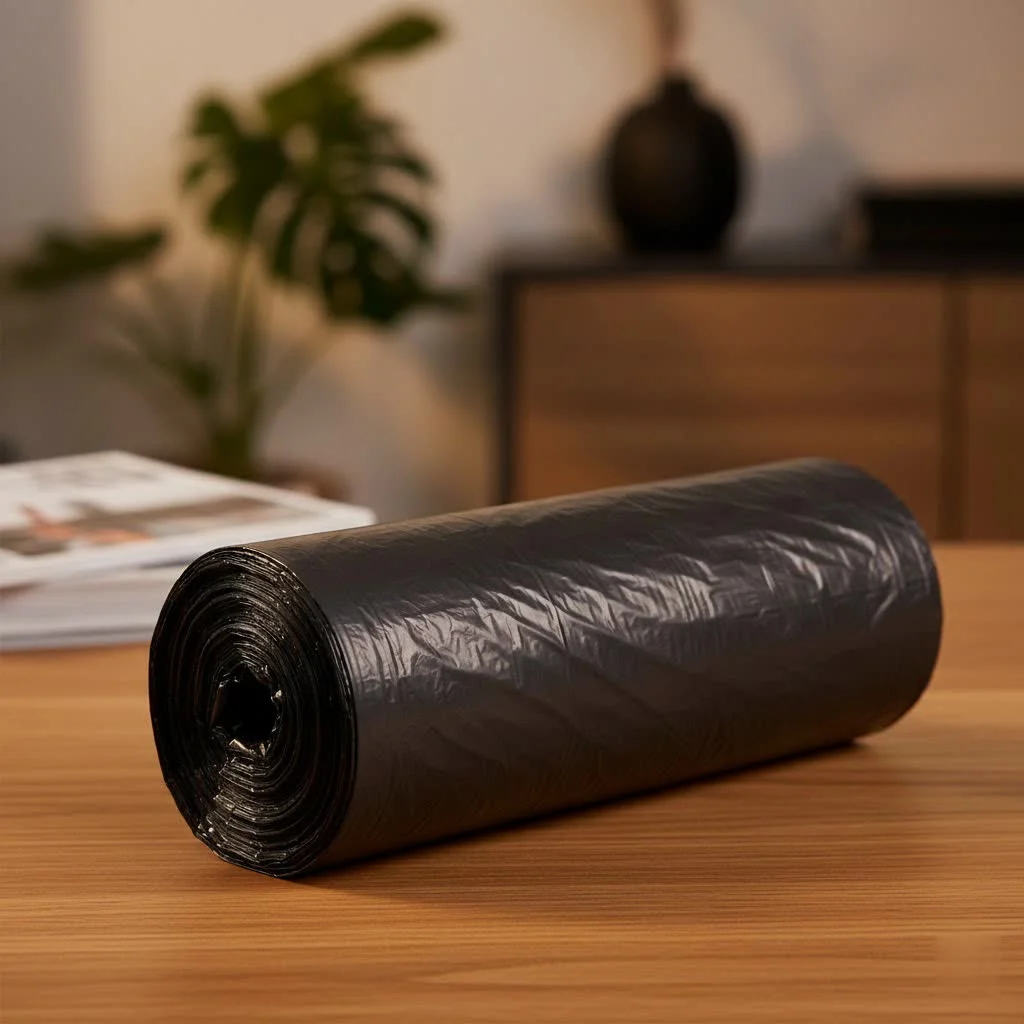
Big Trash Bags: Your Comprehensive Guide
Popular Types of Big Trash Bags
Big trash bags aren’t a one-size-fits-all product; they come in a variety of styles and materials, each suited for different waste types and disposal needs. Understanding these distinctions is the first step to making an informed choice.
- Roll Bags vs. Flat-Packed Bags: Roll bags are convenient for storage and dispensing one at a time, often found in household sizes. Flat-packed bags, or loose bags, are typically larger and designed for heavy-duty or commercial use, offering high capacity without a roll.
- Drawstring Bags: These bags feature an integrated drawstring, making it easy to cinch them closed and carry, minimizing spills and keeping odors locked in. They are highly popular for kitchen and general household use.
- Flap Tie Bags: Similar to drawstring, flap ties offer an alternative closure method with four flaps that can be tied together. While effective, they might be less convenient than drawstrings for quick sealing.
- Contractor Bags: These are the titans of trash bags, engineered for heavy-duty waste like construction debris, sharp objects, and large volumes of yard waste. Contractor bags are significantly thicker (often 3-6 mil or more) and made from tear-resistant materials like sturdy polypropylene or thick HDPE. They typically come in larger capacities, such as 42 to 55 gallons, and are indispensable for demanding jobs where regular bags would fail.
- Compostable/Biodegradable Bags: Designed to break down more quickly than traditional plastic bags, these eco-friendly options are usually made from plant-based materials like cornstarch, PLA, or PBAT. They are ideal for organic waste, especially if you have access to a commercial composting facility. However, it’s important to note that many biodegradable bags require specific conditions (like those in industrial composting facilities) to decompose fully and may not break down effectively in standard landfills.
Each type offers distinct advantages, from the convenience of a drawstring to the sheer strength of a contractor bag, ensuring there’s a specific solution for every waste management challenge.
Detailed Comparison of Leading Big Trash Bag Brands
|
Our Picks for the Best Trash Bags in 2026
As an Amazon Associate I earn from qualifying purchases.
|
||
| Num | Product | Action |
|---|---|---|
| 1 | Trash Bags with Drawstring, Leak-Proof Tear-Resistant Waste Bags for Bathroom Can, 20x18 Inch(4 Packs/60 Pack) |

|
| 2 | Hefty Ultra Strong Tall Kitchen Trash Bags, Citrus Twist Scent, 13 Gallon, 80 Count |
|
| 3 | Amazon Basics 30 Gallon Flextra Strength Multipurpose Drawstring Trash Bags, 20% Post Consumer Recycled, 50 count |
|
| 4 | Glad ForceFlex Tall Kitchen Drawstring Trash Bags, 13 Gal, Fragrance Free, 110 Ct (Package May Vary) |
|
| 5 | Amazon Basics Flextra Tall Kitchen Drawstring Trash Bags, 13 Gallon, 120 Count |
|
| 6 | Hefty Ultra Strong Tall Kitchen Trash Bags, Lavender & Sweet Vanilla Scent, 13 Gallon, 80 Count |
|
| 7 | Hefty Ultra Strong Trash Bags, Black Tall Kitchen Trash Bags 13 Gallon Size, Break Resistant Drawstring Enclosure, Continuous Odor Control, Blackout, Clean Burst Scent, 80 Bags |
|
| 8 | Reli. 55-60 Gallon Trash Bags Heavy Duty - 150 Count - 50-60 Gallon - Large Black Garbage Bags - Made in USA |
|
| 9 | Amazon Basics 13 Gallon Tall Kitchen Drawstring Trash Bags, Unscented, 10% Post Consumer Recycled, 200 Count |
|
| 10 | Amazon Basics Multipurpose Drawstring Trash Bags, 30 Gallon, 50 Count (Previously Solimo) |
|
The market for big trash bags features a wide array of brands, each vying for your attention with promises of strength, odor control, or eco-friendliness. While global giants like Glad and Hefty dominate, many local manufacturers in regions like Vietnam also offer competitive and high-quality options tailored to specific needs.
- Glad: A household name, Glad is renowned for its innovative ForceFlex technology, offering bags that stretch and adapt to awkward loads without tearing. Their tall kitchen drawstring bags are highly rated for durability and odor-blocking capabilities, making them a go-to for many homes.
- Hefty: Another strong contender, Hefty emphasizes strength and leak prevention with extra-thick plastic and secure closures. They offer a range of heavy-duty options, including scented bags for odor control, popular in both residential and commercial settings.
- Vietpak (Vietnam): As a prominent manufacturer, Vietpak offers a diverse range of plastic bags, including heavy-duty garbage bags for industrial, construction, and household sectors. They are known for providing custom sizes, thicknesses, and materials, including eco-friendly options, with competitive pricing for bulk orders.
- Hanpak (Vietnam): Specializing in poly trash bags, Hanpak produces custom-sized garbage can liners and contractor bags from various materials like HDPE, LDPE, MDPE, and biodegradable options. They are a major supplier for both domestic and international markets, emphasizing durability and customization.
- HAPLAST (Vietnam): HAPLAST focuses on high-quality kitchen and general-purpose trash bags, available in various sizes and materials, including biodegradable options. They highlight their bags’ strength, durability, and leak-proof features, aiming to provide cost-effective solutions for households and businesses.
These brands represent a spectrum of choices, from consumer-focused innovation to industrial-grade durability and sustainable alternatives.
Big Trash Bag Comparison Table
Choosing the right big trash bag involves weighing various factors like durability, capacity, and cost. Here’s a comparison of a few popular brands, including key features to help you decide.
| Brand | Type of Bag | Pros | Cons | Estimated Price |
|---|---|---|---|---|
| Glad | Drawstring (Kitchen) | ForceFlex stretch, odor shield | Higher cost for premium features | Mid-range to Premium |
| Hefty | Heavy-Duty, Drawstring | Strong, leak protection, scented | Less stretch than ForceFlex | Mid-range to Premium |
| Vietpak | Contractor, Custom | Very durable, customizable, bulk | Primarily B2B/wholesale | Budget to Mid-range |
| Hanpak | Poly Trash, Drawstring | Custom sizes, materials, durable | May require bulk purchase | Budget to Mid-range |
| Simplehuman | Custom Fit | Perfect fit for specific cans, thick | Expensive, limited to Simplehuman cans | Premium |
Guide to Choosing the Right Big Trash Bag for Your Needs
Selecting the ideal big trash bag depends heavily on your specific requirements. Consider these factors to ensure you pick a bag that performs effectively and efficiently.
- Identify Your Usage Needs:
- Household: For general kitchen waste, look for bags with odor control and reliable closures like drawstrings. A 13-gallon bag is standard, but larger homes might prefer 20-30 gallon options for fewer changes.
- Office: Typically lighter waste like paper and packaging. Medium-duty bags (0.7-1.0 mil) in 20-33 gallon sizes are usually sufficient.
- Commercial/Industrial (Restaurants, Construction): Requires heavy-duty or contractor bags (1.5 mil or thicker) with high puncture resistance and large capacities (40-60+ gallons) for bulky, sharp, or wet waste.
- Consider Trash Can Size: Always measure the circumference and height of your trash can to ensure the bag fits properly. An ill-fitting bag can lead to slippage, spills, or wasted capacity. Many manufacturers provide guidelines or bag codes for their bins.
- Assess Waste Type:
- Sharp or Heavy Waste: Opt for thick, heavy-duty bags (e.g., contractor bags) made from LDPE or durable polypropylene to prevent punctures and tears.
- Wet or Odorous Waste: Look for bags with reinforced seams, leak protection, and odor-neutralizing properties (scented or activated carbon layers).
- Recyclables: Clear bags are often preferred or required for recycling to allow for easy identification of contents.
- Key Factors to Consider:
- Thickness (Mil): Measured in mils (one-thousandth of an inch), a higher mil count indicates a thicker, stronger bag. Kitchen bags are often 0.9-1.2 mil, while contractor bags can be 3-6 mil.
- Material (HDPE vs. LDPE): HDPE (High-Density Polyethylene) bags are typically thinner, crinklier, and less stretchy but strong for moderate loads. LDPE (Low-Density Polyethylene) bags are thicker, more elastic, and tear-resistant, making them ideal for heavier, irregular, or sharp waste.
- Seal Type: Star seals are common and strong, distributing weight evenly. Flat seals are simple but can be less resistant to leaks with heavy items. Gusseted seals offer good capacity but may not be as strong.
- Odor Control: Many bags come with baking soda, Febreze, or other scents to mask unpleasant smells, especially useful for food waste.
- Environmental Friendliness: Explore options like bags made from post-consumer recycled content or certified compostable bags if sustainability is a priority.
Choosing wisely ensures your waste management is efficient, clean, and appropriate for your lifestyle or business operations.
Tips for Using and Storing Big Trash Bags
Maximizing the effectiveness and lifespan of your big trash bags involves more than just tossing them into a bin. Proper usage and storage can prevent mess, extend bag utility, and contribute to better waste management.
- Avoid Overfilling: While tempting to squeeze in that last item, overfilling bags significantly increases the risk of tearing, especially when lifting. Ensure there’s enough slack to tie the bag securely without straining the material.
- Distribute Weight Evenly: For heavy loads, try to distribute the waste uniformly within the bag. Concentrated weight or sharp objects pressing against one side can lead to premature tearing.
- Secure Closure: Always tie your trash bags tightly, whether using a drawstring, flap ties, or a simple knot. This prevents odors from escaping, deters pests, and keeps contents contained during transport.
- Double Bagging: For particularly messy, wet, or sharp waste, don’t hesitate to double-bag. This provides an extra layer of protection against leaks and tears, saving you from a much bigger cleanup.
- Proper Storage: Store unused trash bags in a cool, dry place away from direct sunlight or extreme temperatures. Heat and UV exposure can degrade plastic over time, making bags brittle and prone to tearing. Keep them in their original packaging or a designated drawer or cabinet to maintain their integrity.
- Responsible Disposal: Always follow local waste disposal guidelines. Separate recyclables from general waste and compost organic materials if facilities are available. This not only benefits the environment but can also prevent fines for improper disposal.
Adopting these simple practices can significantly enhance your waste management routine, making it cleaner and more efficient.
Eco-Friendly Big Trash Bags
As environmental consciousness grows, so does the demand for sustainable waste solutions. Eco-friendly big trash bags offer alternatives to traditional plastics, aiming to reduce environmental impact.
- Compostable Bags: These bags are typically made from plant-based materials (like cornstarch, PLA, PBAT) and are designed to break down into natural components in specific composting environments. Look for certifications like BPI (Biodegradable Products Institute) to ensure they meet composting standards. It’s crucial to understand that most “compostable” bags require industrial composting facilities, which use high heat and specific microbial conditions, and may not decompose in a home compost pile or a typical landfill.
- Biodegradable Bags: This term can be less precise. While all compostable bags are biodegradable, not all biodegradable bags are compostable. “Biodegradable” simply means a material can be broken down by microorganisms, but it doesn’t specify the time frame, conditions, or resulting byproducts. Some biodegradable plastics may only break down into microplastics, which are still harmful.
- Recycled Content Bags: Bags made from post-consumer recycled (PCR) plastics help reduce the demand for virgin plastic production and divert waste from landfills. While they still behave like traditional plastic in a landfill, they represent a more resource-efficient choice.
- Benefits: Using eco-friendly bags can reduce reliance on fossil fuels, lower your carbon footprint, and prevent long-term plastic pollution, especially in marine environments.
- Choosing Wisely: If your goal is true environmental impact, prioritize certified compostable bags and ensure you have access to appropriate composting facilities. If not, bags with high post-consumer recycled content are a better alternative than standard virgin plastic bags.
The shift towards eco-friendly options is a positive step, but understanding the nuances of these products is key to making truly sustainable choices.
“Investing in high-quality, durable trash bags is not just about cleanliness; it’s about efficiency and preventing unnecessary waste, saving you time and hassle in the long run.” – Nguyen Thi Huong, Waste Management Consultant
Where to Buy Big Trash Bags?
Finding the right big trash bags is easier than ever, with various channels catering to different needs, from individual households to large businesses.
- Supermarkets and Hypermarkets: Major retailers like Big C, Lotte Mart, or Aeon Mall typically stock a wide range of household trash bags, including various sizes, strengths, and popular brands like Glad and Hefty (if imported). You can find everything from standard kitchen bags to larger outdoor options.
- Convenience Stores: While their selection might be more limited, convenience stores often carry smaller packs of common big trash bag sizes for immediate needs.
- Online Marketplaces: E-commerce platforms like Shopee, Lazada, and Tiki offer an extensive selection of big trash bags from numerous brands, including specialized heavy-duty or eco-friendly options that might not be available in physical stores. Buying online often provides competitive pricing, bulk purchasing options, and the convenience of home delivery.
- Wholesale Suppliers & Manufacturers (Vietnam): For businesses, institutions, or those needing bulk quantities, purchasing directly from Vietnamese manufacturers like Vietpak, Hanpak, HAPLAST, EPP Vietnam, or VietStar Plastics is an excellent option. These companies often provide custom specifications (size, thickness, material, printing) and offer factory-direct pricing, especially for large orders. They can be found via their websites or B2B directories.
- Specialty Stores: Hardware stores or industrial supply stores are good places to find heavy-duty contractor bags, typically in larger sizes and higher mil thicknesses suitable for construction or large clean-up projects.
When buying online, compare prices from different sellers, read customer reviews, and check shipping costs and return policies to ensure a satisfactory purchase.
Reference Price List for Big Trash Bags (Updated 2024)
Prices for big trash bags can vary significantly based on material, thickness, brand, and quantity. Here’s a general reference for typical big trash bag categories. Note that these are estimated retail prices for consumer packs or indicative bulk prices, and actual costs may fluctuate with market conditions and specific suppliers, especially in Vietnam.
| Type of Bag | Size (Gallons) | Quantity (Roll/Pack) | Estimated Price (VND) |
|---|---|---|---|
| Standard Household | 30-35 | 10-20 bags | 40,000 – 80,000 |
| Heavy-Duty | 40-45 | 10-15 bags | 70,000 – 120,000 |
| Contractor Bags | 42-55 | 10 bags | 100,000 – 200,000 |
| Compostable/Eco | 30-35 | 10-15 bags | 80,000 – 150,000 |
| Bulk (HDPE/LDPE) | Custom (per kg) | 1 ton (wholesale) | 23,000,000 – 30,000,000 |
Note: Wholesale prices are typically quoted in USD per ton and converted here for illustration. Individual consumer prices will vary widely by brand and retailer.
Buying Guide: Key Criteria When Purchasing Big Trash Bags
Making the right choice for big trash bags comes down to a few critical factors that directly impact performance and value. Keep these in mind before your next purchase.
- Durability: The bag’s ability to withstand punctures, tears, and heavy loads is paramount. Look for terms like “heavy-duty,” “contractor-grade,” or “puncture-resistant.” Check the mil thickness; generally, a higher mil count means greater durability. LDPE materials often provide more stretch and tear resistance than HDPE for heavy applications.
- Size: Ensure the bag perfectly fits your trash can. A bag that’s too small will be frustrating and prone to tearing, while one that’s too large can waste material and slip down. Measure your can’s circumference and height, then match it to the bag’s dimensions (width and length when flat).
- Material:
- HDPE (High-Density Polyethylene): Good for light to medium waste, offering strength and rigidity. It’s often found in thinner bags that make a crinkly sound.
- LDPE (Low-Density Polyethylene): More flexible, stretchy, and tear-resistant, making it ideal for heavier, sharper, or irregular items. It’s commonly used for contractor and heavy-duty bags.
- Compostable/Plant-Based: For eco-conscious choices, these materials break down under specific conditions, often requiring industrial composting.
- Price: While it’s tempting to go for the cheapest option, evaluate the cost-per-bag versus its performance. A slightly more expensive, durable bag that prevents leaks and tears can save you money and headaches in the long run by avoiding double-bagging or premature replacement. Consider buying in bulk for better value if you have storage space.
- Features:
- Closure Type: Drawstrings are convenient for sealing and carrying. Flap ties offer security.
- Odor Control: Scented bags or those with odor-blocking technology can be a game-changer for kitchen waste.
- Seal Type: Star seals are robust and distribute weight well.
- Handles: Some larger bags come with integrated handles for easier lifting and carrying.
By prioritizing these criteria, you can select big trash bags that effectively meet your waste management demands.
Conclusion
Navigating the world of big trash bags might seem trivial, but making an informed choice can significantly improve your daily routine, whether at home, in the office, or on a job site. We’ve explored the diverse types, from convenient drawstring bags to robust contractor-grade options, highlighted leading brands, and delved into the critical factors—like mil thickness, material, and size—that dictate a bag’s performance. By understanding your specific waste disposal needs and considering durability, environmental impact, and cost, you’re now equipped to select the perfect big trash bags.
Remember, a good trash bag isn’t just a container; it’s a silent guardian against mess and odor, streamlining your cleanup efforts. So, the next time you’re stocking up, will you prioritize strength, sustainability, or sheer convenience?
Frequently Asked Questions
What is the difference between a heavy-duty trash bag and a contractor bag?
Heavy-duty trash bags are generally thicker (around 1.5-2.0 mil) than standard kitchen bags and are suitable for tougher household or light commercial waste. Contractor bags, on the other hand, are significantly thicker (often 3-6 mil or more) and specifically designed for extremely heavy, sharp, or bulky waste from construction, demolition, or large outdoor projects, offering superior puncture and tear resistance.
How do I know what size big trash bag to buy for my trash can?
To determine the correct size, measure the circumference of your trash can (multiply the diameter by π, or measure around the rim) and its height. The bag’s width should be half the circumference plus a few inches for overhang. The bag’s length should be the can’s height plus half its diameter, plus enough for the tie closure (about 4-8 inches). Many trash cans also indicate their gallon capacity, which you can match directly to bag capacities.
Are “biodegradable” big trash bags truly eco-friendly?
While biodegradable bags are designed to break down, the term is broad. Many require specific conditions (like high temperatures in industrial composting facilities) to decompose fully and may not do so in a typical landfill, where they could mummify or produce microplastics. For truly eco-friendly options, look for bags certified as “compostable” by organizations like the BPI, and ensure you have access to a commercial composting facility. Bags made with a high percentage of post-consumer recycled plastic are another good choice to reduce virgin plastic use.
Get our weekly buyer guide
Practical specs, not advice. Unsubscribe anytime.
