
The world is drowning in plastic, and our overflowing landfills are a stark reminder of the urgent need for sustainable solutions. For years, “biodegradable trash bags” have emerged as a beacon of hope, promising a guilt-free way to manage our waste. But the reality is more complex than the appealing label suggests. Are these bags truly the eco-friendly answer we’ve been searching for, or is there more to understand before making the switch? This comprehensive guide will cut through the confusion, helping you discern genuine sustainability from misleading claims and empower you to make informed choices for your home and the planet.
Understanding Biodegradable Trash Bags
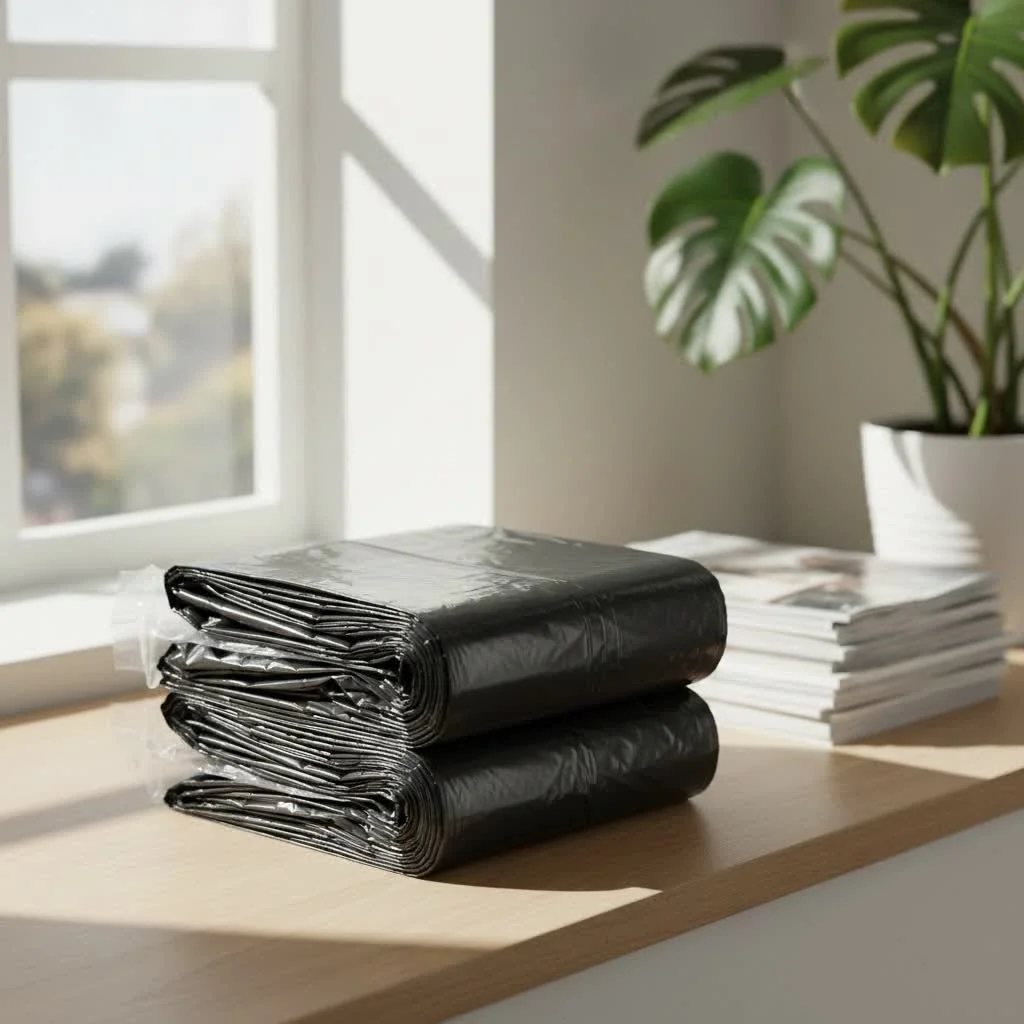
At their core, biodegradable trash bags are designed to break down into natural components more quickly than conventional plastic bags. Traditional plastic can persist in the environment for hundreds, even thousands, of years, slowly fragmenting into harmful microplastics. In contrast, many biodegradable bags are crafted from plant-based materials like cornstarch, sugarcane, or other bioplastics such as PLA (Polylactic Acid) and PBAT (Polybutylene Adipate Terephthalate). These materials are intended to decompose through the action of microorganisms, moisture, and natural processes. For complete trash bags library on this site.
However, the term “biodegradable” itself can be a significant source of confusion. While it suggests an earth-friendly outcome, it doesn’t always guarantee complete or beneficial decomposition in every environment. The conditions required for effective biodegradation, such as the presence of specific microbes, adequate oxygen, and optimal temperatures, are often not met in typical waste disposal settings like landfills.
The Environmental Promise vs. Reality
The appeal of biodegradable trash bags lies in their potential to reduce our reliance on fossil fuels and mitigate the long-term impact of plastic waste. Using plant-based materials can lower the carbon footprint associated with manufacturing. Some formulations are indeed designed to break down faster than traditional plastics, which sounds like a win for the environment. Many users also report that certain plant-based biodegradable bags are surprisingly strong and effective at containing waste without leaks or tears.
Despite these promising aspects, the reality of “biodegradable” products often falls short of expectations, largely due to how they are actually disposed of.
- The Landfill Dilemma: The most critical challenge is the landfill. Landfills are purposefully designed to be anaerobic (oxygen-deprived) environments to minimize decomposition and prevent the generation of greenhouse gases. Without sufficient oxygen, biodegradable bags often do not break down as intended. Instead, they can linger for extended periods, much like conventional plastic, or break down into fragments while producing methane, a potent greenhouse gas, further exacerbating environmental problems.
- The Microplastic Threat: Even when biodegradable bags do break down, many formulations only fragment into smaller plastic particles, which contribute to the pervasive problem of microplastic pollution. These tiny plastic pieces can contaminate soil and water, potentially entering food chains and impacting ecosystems.
- Greenwashing Concerns: The term “biodegradable” is often used broadly, leading to “greenwashing” – misleading consumers into believing products are more environmentally friendly than they truly are. Some bags labeled “eco-friendly” or “biodegradable” may be oxo-biodegradable, which simply means they contain additives that cause them to break into tiny plastic fragments faster, without fully disappearing. It’s crucial to look beyond the marketing claims.
Types of Eco-Friendly Trash Bags: Beyond “Biodegradable”
To truly make a difference, it’s essential to understand the distinctions between different types of sustainable waste bags. The most important differentiation is between “biodegradable” and “compostable.”
Compostable Bags
|
Our Picks for the Best Trash Bags in 2026
As an Amazon Associate I earn from qualifying purchases.
|
||
| Num | Product | Action |
|---|---|---|
| 1 | Hefty Ultra Strong Trash Bags, Black Tall Kitchen Trash Bags 13 Gallon Size, Break Resistant Drawstring Enclosure, Continuous Odor Control, Blackout, Clean Burst Scent, 80 Bags |

|
| 2 | Amazon Basics 13 Gallon Tall Kitchen Drawstring Trash Bags, Unscented, 10% Post Consumer Recycled, 200 Count |
|
| 3 | Amazon Basics Flextra Tall Kitchen Drawstring Trash Bags, 13 Gallon, 120 Count |
|
| 4 | Hefty Ultra Strong Tall Kitchen Trash Bags, Lavender & Sweet Vanilla Scent, 13 Gallon, 80 Count |
|
| 5 | Hefty Ultra Strong Tall Kitchen Trash Bags, Citrus Twist Scent, 13 Gallon, 80 Count |
|
| 6 | Amazon Basics Multipurpose Drawstring Trash Bags, 30 Gallon, 50 Count (Previously Solimo) |
|
| 7 | Reli. 55-60 Gallon Trash Bags Heavy Duty - 150 Count - 50-60 Gallon - Large Black Garbage Bags - Made in USA |
|
| 8 | Glad ForceFlex Tall Kitchen Drawstring Trash Bags, 13 Gal, Fragrance Free, 110 Ct (Package May Vary) |
|
| 9 | Amazon Basics 30 Gallon Flextra Strength Multipurpose Drawstring Trash Bags, 20% Post Consumer Recycled, 50 count |
|
| 10 | Trash Bags with Drawstring, Leak-Proof Tear-Resistant Waste Bags for Bathroom Can, 20x18 Inch(4 Packs/60 Pack) |
|
Compostable bags are generally considered a more genuinely eco-friendly alternative when used correctly. Unlike generic “biodegradable” bags, compostable bags are specifically designed to decompose completely into nutrient-rich humus, carbon dioxide, and water, leaving no toxic residues. However, this process typically requires very specific conditions found only in commercial composting facilities, which maintain controlled levels of heat, moisture, and microbial activity.
Key Certifications for Compostable Bags:
When choosing compostable bags, look for credible certifications that verify their ability to break down effectively. These include:
- BPI (Biodegradable Products Institute): A leading North American certification for compostable products.
- TUV Austria (OK Compost INDUSTRIAL/HOME): International certifications indicating industrial or home compostability.
- Seedling Logo: Often seen in Europe, indicating compliance with the EN 13432 standard for industrial composting.
- ASTM D6400 (US Standard) and EN 13432 (EU Standard): These are the technical standards that compostable products must meet.
Best Use Cases for Compostable Bags:
Compostable bags are ideal for collecting organic waste like food scraps, coffee grounds, and yard waste destined for municipal or commercial composting programs. They are not intended for general landfill trash.
Key Factors When Choosing Sustainable Trash Bags
Navigating the world of eco-friendly trash bags requires careful consideration. Here are the crucial factors to help you make the right choice:
- Certifications are Paramount: This cannot be stressed enough. For true compostability, always look for recognized certifications like BPI, TUV OK Compost, or products meeting ASTM D6400/EN 13432 standards. These third-party verifications ensure the bags have been rigorously tested and proven to break down as claimed. Without them, a “biodegradable” label might be misleading.
- Intended Disposal Method: Before buying, consider how your waste is handled. If your community has a robust commercial composting program, certified compostable bags are an excellent choice for your organic waste. If most of your waste goes to a landfill, the environmental benefits of many “biodegradable” bags are significantly diminished, and you might consider other alternatives like heavy-duty recycled content bags if available.
- Material Transparency: Understand what the bags are made of. Opt for those clearly stating plant-based materials (e.g., cornstarch, PLA) rather than vague “biodegradable additives,” which can sometimes indicate oxo-biodegradable plastics that simply fragment.
- Strength and Durability: Eco-friendly doesn’t mean weak. High-quality compostable bags are designed to be strong, puncture-resistant, and leak-proof, ensuring they can handle your waste effectively until disposal. Read reviews for real-world performance.
- Size and Fit: Ensure the bags fit your trash cans properly. A snug fit prevents the bag from slipping down and helps maximize its capacity.
- Cost vs. Value: Sustainable options often come at a higher price point than conventional plastic bags. Consider this an investment in reducing your environmental footprint. Weigh the slightly higher cost against the long-term ecological benefits.
Top Brands & Products
While specific brands available in every local market may vary, many reputable manufacturers offer certified compostable bags globally. When evaluating products, look for transparency in their material sourcing and clear display of compostability certifications. Good quality products are typically described as strong, leak-proof, and tear-resistant, performing much like traditional bags but with a greener lifecycle.
Detailed Comparison Table: Choosing Your Eco-Friendly Trash Bag
| Feature | Truly Compostable Bags | “Biodegradable” Bags (Generic) | Conventional Plastic Bags |
|---|---|---|---|
| Breakdown Environment | Commercial Composting Facility | Varies, often slow/incomplete in landfill | Centuries in landfill |
| Residue | Humus, CO2, water (beneficial) | Microplastics, fragments (harmful) | Microplastics, fragments (harmful) |
| Certifications | BPI, TUV, ASTM D6400, EN 13432 (essential) | Often none or vague “eco-friendly” claims | None (for eco-friendliness) |
| Materials | Plant-based (cornstarch, PLA, PBAT) | Varies (plant-based, but also oxo-biodegradable) | Petroleum-based polymers |
| Best Use | Food waste, yard waste for composting | General waste (with caveats), but not ideal for landfill | General waste (most common) |
| Environmental Impact | Reduces landfill waste, creates compost | Risk of microplastics, methane in landfill if not composted | Significant landfill burden, fossil fuel use, persistent pollution |
Tips for Effective Use and Storage
To maximize the benefits of your sustainable trash bags and minimize waste, follow these practical tips:
- Proper Disposal is Key: This is the most critical step. For certified compostable bags, ensure they go into designated organic waste bins that are collected for commercial composting. Placing them in regular trash destined for a landfill negates most of their environmental advantages.
- Avoid Overfilling: While designed to be strong, overfilling any trash bag can lead to tears, leaks, and an increased chance of premature breakdown for compostable materials, especially with moist waste.
- Store Properly: Keep your unused compostable or biodegradable bags in a cool, dry place away from direct sunlight and excessive humidity. Exposure to these elements can cause them to begin degrading before use, compromising their integrity.
- Understand Local Guidelines: Waste management policies vary significantly by region. Check with your local waste authority for specific guidelines on what is accepted in composting programs and how different types of bags should be disposed of.
Where to Buy Sustainable Trash Bags
Finding truly sustainable trash bags is becoming easier as consumer demand grows. You can typically purchase them from:
- Online Retailers: Many specialized eco-friendly stores and large online marketplaces offer a wide selection of certified compostable bags. Pay close attention to product descriptions and look for certification logos.
- Eco-Friendly Stores: Dedicated sustainability shops often stock a curated selection of genuinely green products.
- Supermarkets and Grocery Stores: As awareness increases, more mainstream supermarkets are beginning to carry certified compostable options, usually in the cleaning or household goods aisle. Always verify the certifications.
- Bulk Stores: Some bulk stores offer larger quantities, which can be more economical.
Always compare product specifications, read customer reviews, and prioritize clear certifications over vague “green” claims.
Reference Price Guide (Updated 2024)
| Type of Bag | Size (Gallons) | Quantity | Estimated Price Range (USD) |
|---|---|---|---|
| Certified Compostable (Kitchen) | 13 Gallon | 25-50 bags | $15 – $25 |
| Certified Compostable (Food Scrap Bin) | 3 Gallon | 100 bags | $12 – $18 |
| Biodegradable (General, less certified) | 13 Gallon | 50 bags | $10 – $20 |
Buying Guide: Crucial Criteria for Your Next Trash Bag
When you’re ready to make a purchase, keep these criteria at the forefront of your decision-making:
- Certification: This is the absolute non-negotiable. Look for BPI, TUV OK Compost, or standards like ASTM D6400/EN 13432 to ensure genuine compostability.
- Purpose: Match the bag to its intended use. Compostable bags are for organic waste going to composting. If your waste primarily goes to a landfill, the environmental advantage of a generic “biodegradable” bag is minimal.
- Material Transparency: Opt for brands that clearly state their bag’s material composition (e.g., cornstarch, PLA). Avoid vague terms that could hide less sustainable components.
- Durability: A good trash bag, whether eco-friendly or not, needs to be strong enough to do its job. Check for claims of tear and leak resistance.
- Size & Closure: Ensure the bag fits your bin and has a convenient closure method, such as drawstrings or tie handles.
- Brand Reputation: Choose brands that demonstrate a genuine commitment to environmental responsibility through their products and practices, not just their marketing.
“It’s good to know the difference between these biodegradable bags and bags made of petrochemical-based plastic — which are usually found in the supermarket and marketed as ‘ecofriendly,’” says Lyall Mabin, co-founder of Sustainable Jungle. “These degrade into microplastics faster, so it’s really just greenwashing.”
Conclusion
The journey towards a greener home often begins with small changes, and choosing how we handle our waste is a significant step. While the term “biodegradable trash bags” can sound like a simple solution, true environmental benefit lies in understanding the crucial difference between “biodegradable” and “compostable,” and ensuring proper disposal. By prioritizing certified compostable options for organic waste and aligning our choices with local waste management capabilities, we can move beyond greenwashing and make genuinely impactful decisions. Are you ready to dive deeper into your waste habits and make a truly sustainable switch?
Frequently Asked Questions
Are “biodegradable” bags truly good for the environment?
Many bags labeled “biodegradable” may not offer significant environmental benefits, especially if they end up in landfills. In landfills, they often break down very slowly or into microplastics, similar to conventional plastics, and can even produce methane gas. Certified compostable bags, however, are designed to fully decompose into natural components in commercial composting facilities, making them a much better choice for organic waste.
What is the difference between compostable and biodegradable trash bags?
Compostable bags are certified to break down completely into natural, non-toxic components (humus, CO2, water) under specific composting conditions, typically in industrial facilities. Biodegradable bags, on the other hand, simply mean they will break down over time, but this process can be slow, incomplete, and often results in microplastics, especially in landfill environments.
How long do biodegradable trash bags take to break down?
The breakdown time for biodegradable bags varies greatly depending on their material composition and the environmental conditions. While some might begin to degrade in months, many can persist for years in landfills due to the lack of oxygen and microbial activity, behaving much like traditional plastics.
Can I put biodegradable bags in my home compost?
Unless a bag is specifically certified as “home compostable” (e.g., TUV OK Compost HOME), it’s generally not recommended to put them in a home compost bin. Most compostable bags require the higher temperatures and controlled conditions of a commercial facility to break down effectively and safely.
What certifications should I look for when buying eco-friendly trash bags?
For genuine compostability, look for certifications such as BPI (Biodegradable Products Institute), TUV Austria (OK Compost INDUSTRIAL or OK Compost HOME), and products that meet international standards like ASTM D6400 (for North America) or EN 13432 (for Europe). These certifications provide assurance that the product has undergone rigorous testing.
Get our weekly buyer guide
Practical specs, not advice. Unsubscribe anytime.
