
Have you ever wondered about the distinct purpose of blue trash bags amidst a sea of colors? Far from being just a style choice, blue trash bags often serve a critical role in waste management systems, particularly in encouraging efficient recycling. Understanding their specific function can empower you to contribute more effectively to environmental efforts and streamline your household or business waste disposal. This article will delve into everything you need to know about blue trash bags, from their common uses and types to how to choose the right ones and optimize your waste sorting.
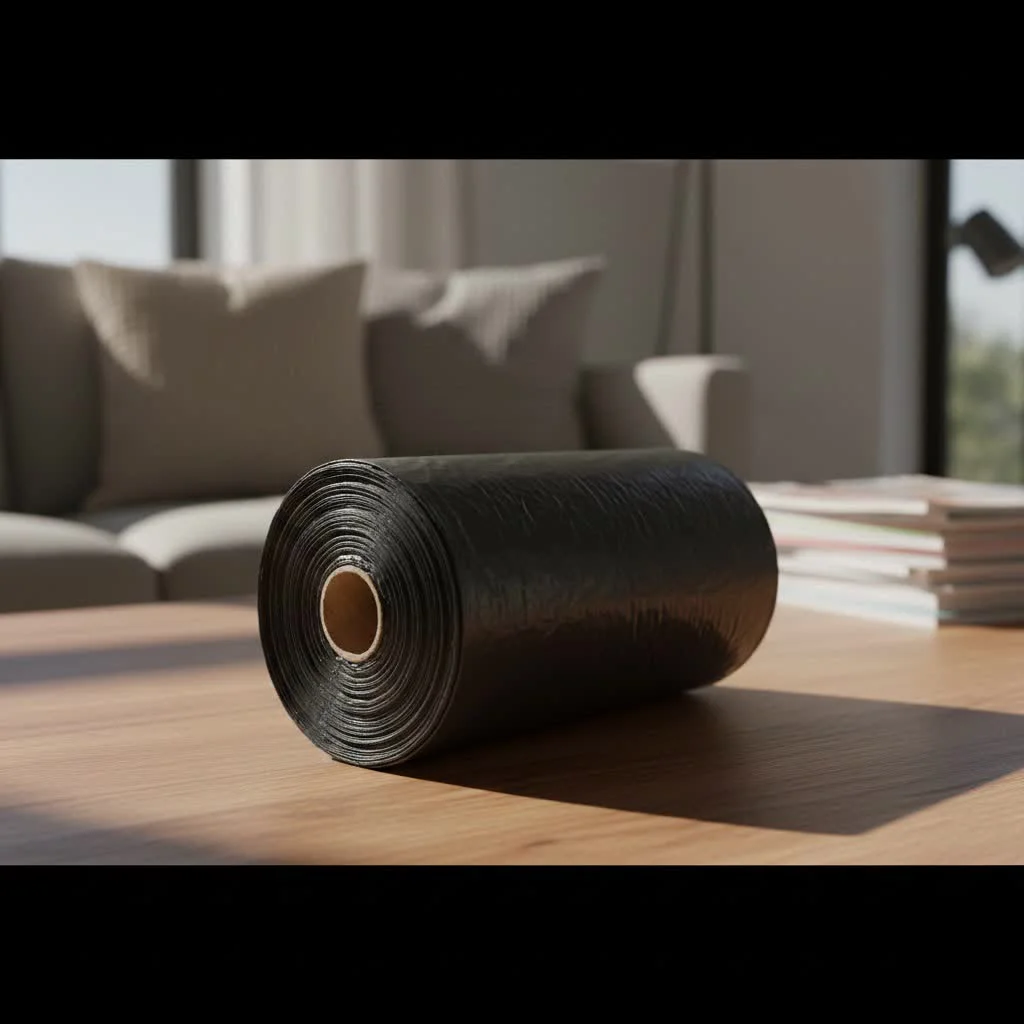
Understanding the Purpose of Blue Trash Bags
Blue trash bags are predominantly designated for collecting recyclable materials in many communities and businesses worldwide. This color coding helps waste collectors quickly identify bags containing items meant for recycling, distinguishing them from general landfill waste. Beyond recycling, they might also be utilized for specific industrial waste or even general refuse in areas without strict color-coded recycling programs. The primary goal, however, remains to simplify sorting and reduce contamination in the recycling stream.
Common Uses for Blue Trash Bags
The most widespread application for blue trash bags is in curbside recycling programs. They are typically used for a range of commingled recyclables like plastics, glass, and metals. In some regions, they may also be specified for paper and cardboard. This color scheme acts as a universal visual cue for residents and waste management personnel alike, signaling that the contents are intended for recovery and reprocessing rather than disposal.
Beyond residential recycling, blue bags find utility in commercial and industrial settings for separating specific waste streams. For instance, some industries use them for heavy plastics, glass, or certain types of metal waste that require dedicated processing. This practice ensures that valuable materials are diverted from landfills and handled appropriately, aligning with broader sustainability goals.
The Significance of Color in Waste Management
The strategic use of colored trash bags is a cornerstone of effective waste segregation. Each color often corresponds to a particular waste category, streamlining collection and processing. While blue commonly signifies recyclables, other colors like green might be for organic waste, red for medical waste, and black or clear for general landfill trash. This visual system minimizes errors, improves sorting efficiency at facilities, and ultimately enhances the quality of recycled materials.
Types of Blue Trash Bags Available
Blue trash bags come in various forms, each designed to meet different waste disposal needs. From everyday recycling to heavy-duty industrial applications, selecting the right type ensures durability and functionality.
- Standard Blue Recycling Bags: These are the most common type, typically found in household sizes and designed for collecting commingled recyclables like plastics, glass, and cans. They often have a moderate thickness to handle typical household recycling without tearing.
- Transparent Blue Bags: Some municipalities specifically require clear blue bags. Their transparency allows waste collectors to visually inspect the contents for contaminants, ensuring that only eligible recyclable materials are processed. This helps maintain the purity of the recycling stream.
- Heavy-Duty Blue Bags: Designed for more demanding tasks, these bags are thicker and more tear-resistant. They are suitable for larger volumes of recycling, industrial waste, or heavier items like broken glass or dense plastics, where puncture resistance is crucial.
- Biodegradable/Compostable Blue Bags: With a growing emphasis on environmental sustainability, biodegradable or compostable blue bags are emerging. These bags are designed to break down more quickly than traditional plastic bags, reducing their long-term environmental impact. However, their use is often limited to specific composting or recycling facilities that can process them correctly.
The choice among these types usually depends on local recycling guidelines, the volume and nature of the waste, and personal environmental preferences.
Comparing Leading Blue Trash Bag Options
While many brands offer blue trash bags, their performance can vary significantly. Here’s a comparison of common features you might find across different products, using representative brand archetypes.
| Brand Archetype | Type of Bag | Key Advantages | Potential Disadvantages | Estimated Price Range (per 50 bags) |
|---|---|---|---|---|
| EcoBlue Pro | Recycled Content, Standard | Environmentally friendly, good for light recycling | May tear with sharp objects or heavy loads | $12 – $18 |
| DuraBlue Max | Heavy-Duty, Drawstring | Superior tear resistance, strong closure | Higher cost, less eco-friendly | $20 – $30 |
| ClearCycle Blue | Transparent, Standard | Allows visual inspection, promotes clean recycling | Transparency might reveal contents (privacy) | $10 – $15 |
| FreshScent Blue | Odor-Control, Standard | Neutralizes odors, good for mixed recycling | Scent may be undesirable to some users | $15 – $22 |
This comparison illustrates the spectrum of features available, from eco-conscious options to those prioritizing strength or convenience. When selecting, consider your primary waste type, local regulations, and budget.
Choosing the Right Blue Trash Bags for Your Needs
Selecting the appropriate blue trash bag goes beyond simply picking a color; it involves a thoughtful assessment of your specific waste management requirements. The right bag enhances efficiency, prevents spills, and supports proper waste diversion.
Assess Your Waste Stream
|
Our Picks for the Best Trash Bags in 2026
As an Amazon Associate I earn from qualifying purchases.
|
||
| Num | Product | Action |
|---|---|---|
| 1 | Amazon Basics Multipurpose Drawstring Trash Bags, 30 Gallon, 50 Count (Previously Solimo) |

|
| 2 | Glad ForceFlex Tall Kitchen Drawstring Trash Bags, 13 Gal, Fragrance Free, 110 Ct (Package May Vary) |
|
| 3 | Reli. 55-60 Gallon Trash Bags Heavy Duty - 150 Count - 50-60 Gallon - Large Black Garbage Bags - Made in USA |
|
| 4 | Amazon Basics Flextra Tall Kitchen Drawstring Trash Bags, 13 Gallon, 120 Count |
|
| 5 | Amazon Basics 30 Gallon Flextra Strength Multipurpose Drawstring Trash Bags, 20% Post Consumer Recycled, 50 count |
|
| 6 | Trash Bags with Drawstring, Leak-Proof Tear-Resistant Waste Bags for Bathroom Can, 20x18 Inch(4 Packs/60 Pack) |
|
| 7 | Hefty Ultra Strong Tall Kitchen Trash Bags, Citrus Twist Scent, 13 Gallon, 80 Count |
|
| 8 | Hefty Ultra Strong Tall Kitchen Trash Bags, Lavender & Sweet Vanilla Scent, 13 Gallon, 80 Count |
|
| 9 | Hefty Ultra Strong Trash Bags, Black Tall Kitchen Trash Bags 13 Gallon Size, Break Resistant Drawstring Enclosure, Continuous Odor Control, Blackout, Clean Burst Scent, 80 Bags |
|
| 10 | Amazon Basics 13 Gallon Tall Kitchen Drawstring Trash Bags, Unscented, 10% Post Consumer Recycled, 200 Count |
|
First, identify the typical contents you’ll be placing in the blue bags. Are you primarily recycling lightweight plastics and paper, or will you be dealing with heavier glass bottles and aluminum cans? If you have sharp edges from broken glass or heavy objects, a thicker, more tear-resistant bag is crucial. For standard household recycling, a medium-duty bag often suffices.
Consider Capacity and Fit
Measure your recycling bin or container to determine the required bag capacity (gallons or liters) and dimensions (width and height). A bag that’s too small will overfill quickly, leading to spills, while one that’s too large can be wasteful and sag into the bin. Look for bags that specify their compatibility with common bin sizes.
Evaluate Material and Features
Most blue trash bags are made from polyethylene (PE). However, consider the bag’s thickness (measured in mil or micron) for durability. Features like drawstring closures provide convenient tying and carrying, reducing spillage risk. Some bags also offer odor-neutralizing properties, which can be beneficial if recyclables sit for a few days between collections. For those prioritizing sustainability, look for bags made from recycled content or certified biodegradable materials, provided your local facility can process them.
Check Local Recycling Guidelines
Crucially, always consult your local municipality’s recycling guidelines. Some areas mandate specific types of blue bags (e.g., clear blue for visibility), while others may prefer or even require recyclables to be placed loose in a bin, with bags being discouraged or used only for certain items like shredded paper. Adhering to these local rules ensures your efforts contribute effectively to the recycling program.
Tips for Effective Use and Storage of Blue Trash Bags
Maximizing the effectiveness and longevity of your blue trash bags involves more than just filling them up. Proper usage and storage techniques can prevent common issues like leaks, tears, and premature degradation.
Optimal Bag Usage
- Don’t Overfill: While tempting, overfilling bags can lead to tears, spills, and difficulty in tying, increasing the risk of contamination. Leave enough space at the top to comfortably tie the bag shut.
- Distribute Weight Evenly: Try to distribute the weight of items inside the bag as evenly as possible. Placing all heavy items in one corner can stress the bag and cause it to rip.
- Remove Liquids and Food Residue: Ensure all recyclable containers are empty, clean, and dry before placing them in blue bags. Liquids and food residue can contaminate other recyclables, making them unusable. This also prevents unpleasant odors and pests.
- Tie Securely: Always tie your blue bags securely to prevent contents from spilling during transport and to keep pests out. Drawstring bags make this process easier and more reliable.
Smart Storage Practices
- Keep Them Dry: Store unused blue bags in a cool, dry place away from direct sunlight and humidity. Moisture can weaken the plastic, making them more prone to tearing.
- Protect from Pests: Store bags in a sealed container or cupboard to prevent rodents or insects from chewing through them.
- Away from Heat: Avoid storing bags near heat sources like radiators or stoves, as excessive heat can cause the plastic to degrade or melt.
- Organize for Easy Access: Keep bags organized by size and type for quick and easy access when you need them.
By following these simple tips, you can ensure your blue trash bags perform optimally, supporting a cleaner, more efficient waste management routine.
Embracing Eco-Friendly Blue Trash Bags
As environmental consciousness grows, the demand for sustainable waste solutions extends to trash bags themselves. Eco-friendly blue trash bags offer a way to manage waste with a reduced ecological footprint.
Understanding Biodegradable and Compostable Options
Biodegradable blue trash bags are designed to break down into natural elements more quickly than conventional plastics. Compostable bags go a step further, breaking down into nutrient-rich compost under specific conditions, often requiring industrial composting facilities. It’s vital to distinguish between these: a biodegradable bag might simply fragment into smaller plastic pieces, while a truly compostable bag will decompose completely without leaving harmful residues. Always look for certifications (like BPI certification for compostable products) to ensure genuine environmental claims.
The Benefits of Sustainable Choices
Opting for eco-friendly blue trash bags contributes to several environmental benefits. They help reduce the volume of plastic accumulating in landfills, mitigate plastic pollution, and, in the case of compostable bags, can even create valuable soil amendments. By choosing bags made from recycled materials, you also support the circular economy, reducing the need for virgin plastic production.
Navigating Eco-Labeling and Selection
When selecting eco-friendly blue bags, be discerning. Greenwashing is prevalent, so research the certifications and ensure they align with your local waste management capabilities. Not all recycling centers can process biodegradable plastics, and placing them in traditional recycling streams can cause contamination. Always check with your local waste authority for accepted materials and bag types to ensure your eco-conscious choice is truly effective.
“Making sustainable choices in everyday items like trash bags is a small step, but collectively, it creates a monumental impact on our planet’s health and future.” – Dr. Eleanor Vance, Environmental Waste Management Specialist
Where to Purchase Blue Trash Bags
Finding the right blue trash bags is typically straightforward, with various retail channels offering a wide selection to meet different needs and budgets.
Retail Outlets
- Supermarkets and Grocery Stores: Most major grocery chains stock blue trash bags, especially those catering to local recycling programs. You’ll find a range of sizes and basic types here.
- Home Improvement Stores: Retailers like Home Depot or Lowe’s often carry a broader selection, including heavy-duty options and larger capacities suitable for bigger households or commercial use.
- Discount Stores: Stores such as Walmart or Target provide budget-friendly options, though the variety might be less extensive.
- Specialty Cleaning/Janitorial Supply Stores: For commercial-grade or very specific types of blue bags, these stores are excellent resources.
Online Marketplaces
- Amazon, eBay, and other E-commerce Platforms: These platforms offer the widest selection from numerous brands, including specialized eco-friendly options. You can easily compare prices, read reviews, and find bulk purchasing options.
- Direct from Manufacturers: Some manufacturers sell directly from their websites, often providing detailed product information and sometimes exclusive deals or larger quantities.
Tips for Online Purchasing
When buying online, pay close attention to product descriptions, including dimensions, thickness (mil), quantity per roll/box, and specific features like drawstrings or odor control. Always check customer reviews for insights into durability and actual performance. Factor in shipping costs when comparing prices, especially for bulk orders.
Reference Pricing for Blue Trash Bags (Updated 2024)
Prices for blue trash bags can fluctuate based on brand, material, thickness, and quantity. Here’s a general guide to help you budget for your purchase:
| Type of Bag | Size (Gallons/Liters) | Quantity (per box/roll) | Estimated Price Range |
|---|---|---|---|
| Standard Household | 13 Gallon (50 Liters) | 50 – 100 | $8 – $15 |
| Heavy-Duty/Contractor | 30 Gallon (113 Liters) | 25 – 50 | $15 – $25 |
| Extra Large/Industrial | 45-55 Gallon (170-208 Liters) | 20 – 40 | $20 – $35 |
| Drawstring | 13 Gallon (50 Liters) | 50 – 80 | $10 – $18 |
| Biodegradable/Compostable | 13 Gallon (50 Liters) | 30 – 60 | $15 – $28 |
Note: These prices are estimates and can vary significantly based on brand, retailer, promotions, and regional differences.
Buying Guide: Key Criteria for Blue Trash Bags
Making an informed decision about blue trash bags means understanding the essential criteria that dictate their effectiveness and value.
- Durability and Strength: The bag’s ability to withstand punctures, tears, and heavy loads is paramount. Look at the mil thickness (e.g., 0.7 mil for light duty, 1.2 mil+ for heavy duty) and material composition. High-density polyethylene (HDPE) bags are strong for their thickness but less puncture-resistant, while low-density polyethylene (LDPE) bags are more stretchable and tear-resistant.
- Size and Fit: Ensure the bag matches your trash can’s dimensions. A good fit prevents slipping and maximizes capacity without straining the bag. Check both the gallon capacity and the circumference/height measurements.
- Material Composition: Consider whether you need standard PE bags, those made from recycled content, or certified biodegradable/compostable options. Your choice should align with local recycling mandates and your environmental values.
- Closure Type: Drawstring closures offer convenience, hygiene, and a secure seal, making bags easier to carry and preventing spills. Flap ties are a simpler, more economical alternative.
- Special Features: Evaluate if additional features like odor control (infused scents or baking soda), transparency for contaminant checks, or reinforced seams are beneficial for your specific usage.
- Value for Money: Compare the cost per bag, not just the total package price. Bulk purchases often provide better value, but ensure you’re not compromising on quality or features you need.
Conclusion
Blue trash bags play a crucial, often mandated, role in modern waste management, primarily serving as a clear indicator for recyclable materials like plastics, glass, and metals. By understanding the different types available, from standard recycling bags to heavy-duty and eco-friendly options, you can make informed choices that benefit both your household and the environment. Careful consideration of durability, size, material, and local guidelines ensures effective waste segregation and contributes to a more sustainable future. Are you ready to optimize your recycling efforts with the right blue trash bags?
Frequently Asked Questions
What specific items can be placed in blue trash bags?
Generally, blue trash bags are for commingled recyclables, including clean plastic bottles and containers (check numbers 1-7), glass bottles and jars, aluminum cans, and steel cans. Some programs also accept paper and cardboard. Always verify with your local recycling program, as accepted materials can vary by municipality.
Why do some communities require transparent blue recycling bags?
Transparent blue bags allow waste collectors to visually inspect the contents for non-recyclable items or contaminants without having to open the bag. This helps ensure the purity of the recycling stream, preventing unwanted materials from entering the processing facility and ultimately improving the quality of recycled goods.
Can I use blue trash bags for regular garbage if I don’t recycle?
While technically possible, it is strongly discouraged. Using blue bags for general garbage can cause confusion for waste collectors, potentially leading to your regular trash being mistaken for recyclables and contaminating the recycling stream. It’s best to use designated black or clear bags for non-recyclable waste.
Are biodegradable blue trash bags truly eco-friendly?
Biodegradable blue trash bags are generally more environmentally friendly than conventional plastic bags as they are designed to break down faster. However, their true eco-friendliness depends on proper disposal and processing. Some require specific industrial composting facilities to fully decompose, and simply putting them in a landfill may not achieve the desired environmental benefits. Always check for certifications.
What is the ideal thickness for blue trash bags?
The ideal thickness (mil) depends on the intended use. For light household recyclables like paper and empty plastic bottles, a standard thickness of around 0.7-1.0 mil is often sufficient. For heavier or sharper items like glass or industrial waste, a heavy-duty bag of 1.2 mil or thicker is recommended to prevent tears and punctures.
Get our weekly buyer guide
Practical specs, not advice. Unsubscribe anytime.
