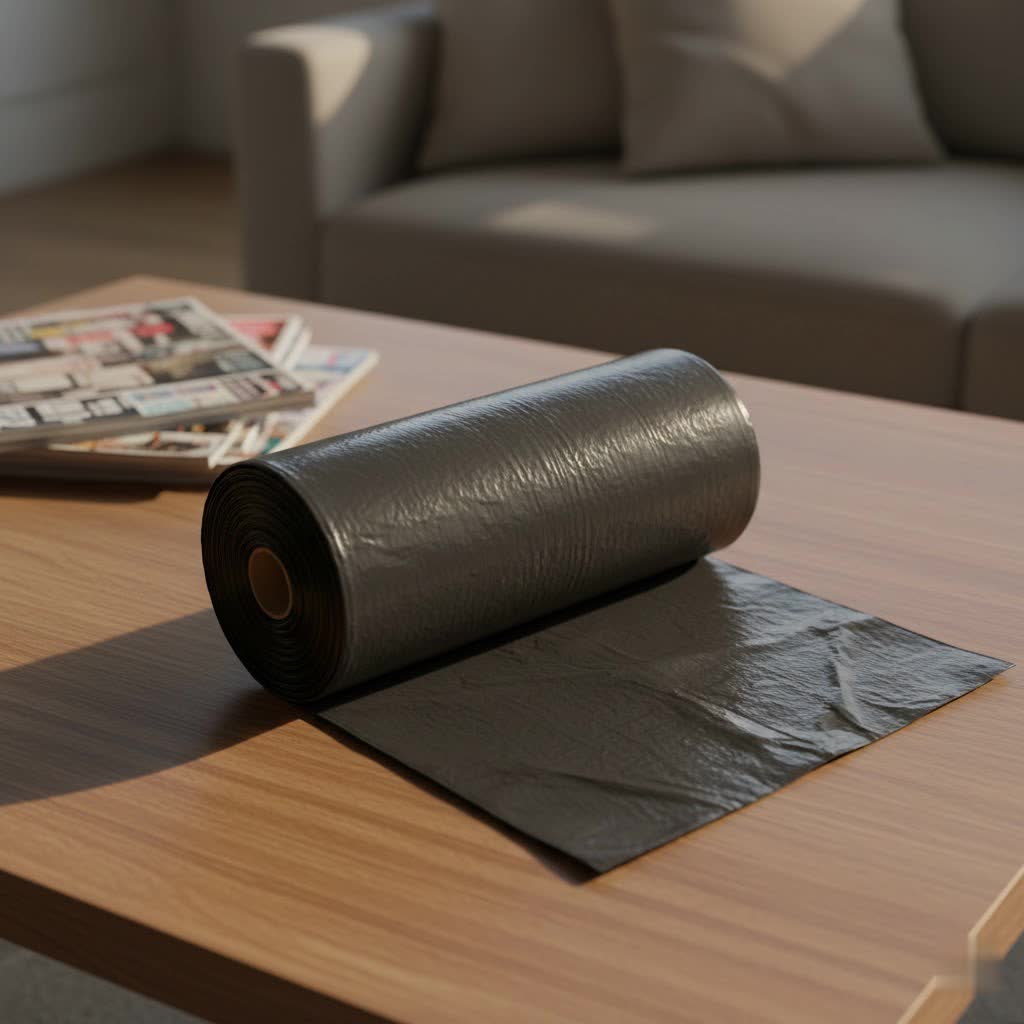
Maintaining a beautiful lawn is a rewarding endeavor, but it often comes with a significant amount of yard waste – from fallen leaves and grass clippings to trimmed branches and weeds. Choosing the right lawn trash bags can make all the difference, transforming a tedious chore into a manageable task. With over a decade of experience in home goods, including countless trials with various waste disposal solutions, I’m here to share honest, practical insights to help you select the perfect lawn trash bags for your needs and budgetLet’s explore the world of yard waste management together!
Types of Lawn Trash Bags
When tackling yard work, the first step is understanding the different types of bags available, each designed for specific tasks and waste types.
- Disposable Heavy-Duty Plastic Bags: These are a common choice for their convenience and strength. Made from thick, low-density polyethylene (LDPE), they offer good tear and puncture resistance, making them suitable for mixed yard waste, including damp leaves, grass clippings, and small twigs. Their main advantage is the ability to simply tie them up and dispose of them after a single use. However, their single-use nature makes them less environmentally friendly.
- Paper Lawn & Leaf Bags: Often required by municipalities for curbside organic waste collection, these biodegradable bags are an eco-conscious choice. They are designed to break down with the organic material, making them ideal for composting. While they are good for dry leaves and light clippings, they can weaken and tear when wet or overstuffed with heavy, sharp debris.
- Reusable Garden Bags: Crafted from durable materials like woven polypropylene or heavy-duty canvas, these bags are built to last season after season. They often feature reinforced handles, a stand-up design, and sometimes even a collapsible frame for easy storage. Reusable bags are excellent for heavy loads, jagged branches, and repeated use, significantly reducing environmental impact. They require emptying and cleaning, but their longevity makes them a cost-effective and sustainable option.
- Compostable Plastic Bags: A more recent innovation, these bags are made from plant-based materials designed to decompose in commercial composting facilities, aligning with eco-friendly waste disposal. They offer a more flexible alternative to paper bags while still being environmentally responsible, though checking local composting guidelines is crucial.
Each type offers distinct advantages and disadvantages, making the choice dependent on your specific yard waste, disposal methods, and environmental priorities.
Detailed Comparison of Leading Lawn Trash Bag Brands
The market offers a variety of brands, each with its own strengths. Here’s a look at some popular options and what sets them apart.
- Hefty Strong Lawn & Leaf Bags: A well-known name, Hefty offers disposable plastic bags that are praised for their robust construction and generous capacity (often 39 gallons). They are designed to resist leaks, tears, and punctures, and often come with a reliable drawstring closure for secure transport. These are a go-to for many homeowners needing durable, single-use solutions.
- Fiskars Kangaroo Gardening Bags: Fiskars is highly regarded for its reusable, self-standing garden bags. Made from tear- and mildew-resistant materials, these bags feature sturdy handles and a collapsible design for easy storage. They are excellent for heavy yard debris, offering superior durability and convenience for repeated use.
- GardenMate Reusable Garden Waste Bags: Similar to Fiskars, GardenMate provides highly durable, reusable bags, often in larger capacities (e.g., 72 gallons). They are made from woven polypropylene, making them resistant to tears and punctures, ideal for extensive yard cleanups.
- Simply Bio Compostable Trash Bags: For those prioritizing environmental impact, Simply Bio offers compostable options. These bags, typically 55-gallon, are made from plant-based materials and are designed for industrial composting, providing a guilt-free way to dispose of organic yard waste.
- Lowe’s/Home Depot Brands (e.g., Husky, The Home Depot brand paper bags): These store brands often offer competitive pricing for both disposable heavy-duty plastic bags and traditional paper lawn and leaf bags. They provide accessible and practical solutions for everyday yard work.
Lawn Trash Bag Comparison Table
|
Our Picks for the Best Trash Bags in 2026
As an Amazon Associate I earn from qualifying purchases.
|
||
| Num | Product | Action |
|---|---|---|
| 1 | Amazon Basics Multipurpose Drawstring Trash Bags, 30 Gallon, 50 Count (Previously Solimo) |

|
| 2 | Hefty Ultra Strong Trash Bags, Black Tall Kitchen Trash Bags 13 Gallon Size, Break Resistant Drawstring Enclosure, Continuous Odor Control, Blackout, Clean Burst Scent, 80 Bags |
|
| 3 | Trash Bags with Drawstring, Leak-Proof Tear-Resistant Waste Bags for Bathroom Can, 20x18 Inch(4 Packs/60 Pack) |
|
| 4 | Glad ForceFlex Tall Kitchen Drawstring Trash Bags, 13 Gal, Fragrance Free, 110 Ct (Package May Vary) |
|
| 5 | Amazon Basics 13 Gallon Tall Kitchen Drawstring Trash Bags, Unscented, 10% Post Consumer Recycled, 200 Count |
|
| 6 | Amazon Basics 30 Gallon Flextra Strength Multipurpose Drawstring Trash Bags, 20% Post Consumer Recycled, 50 count |
|
| 7 | Hefty Ultra Strong Tall Kitchen Trash Bags, Citrus Twist Scent, 13 Gallon, 80 Count |
|
| 8 | Reli. 55-60 Gallon Trash Bags Heavy Duty - 150 Count - 50-60 Gallon - Large Black Garbage Bags - Made in USA |
|
| 9 | Hefty Ultra Strong Tall Kitchen Trash Bags, Lavender & Sweet Vanilla Scent, 13 Gallon, 80 Count |
|
| 10 | Amazon Basics Flextra Tall Kitchen Drawstring Trash Bags, 13 Gallon, 120 Count |
|
| Brand | Type of Bag | Pros | Cons | Estimated Price (per bag) |
|---|---|---|---|---|
| Hefty Strong | Disposable Plastic | High tear/puncture resistance, reliable drawstring, large capacity | Not eco-friendly, single-use | $0.40 – $0.60 |
| Fiskars Kangaroo | Reusable Woven Polypropylene | Extremely durable, self-standing, collapsible, ergonomic handles | Higher initial cost, requires emptying/cleaning | $15 – $25 |
| GardenMate | Reusable Woven Polypropylene | Very durable, large capacity, reinforced stitching | Higher initial cost, can be bulky when full | $8 – $12 |
| Simply Bio | Compostable Plastic | Eco-friendly, plant-based, biodegradable (commercial composting) | Can be less durable than plastic, specific disposal requirements | $1.50 – $2.50 |
| Lowe’s/Home Depot Brand | Disposable Plastic/Paper | Cost-effective, widely available, paper options for composting | Varies by product, paper bags less durable when wet | $0.30 – $1.00 |
Note: Prices are approximate and can vary based on size, quantity, and retailer.
How to Choose the Right Lawn Trash Bag for Your Needs
Selecting the ideal lawn trash bag involves a few key considerations to match your specific yard work requirements.
First, identify your primary usage scenario. Are you regularly clearing a large volume of leaves, or do you mostly deal with occasional grass clippings and small trimmings? For heavy, frequent cleanups, reusable bags offer durability and cost-effectiveness over time. For infrequent tasks or municipal collection that requires specific bag types, disposable or paper bags might be more suitable.
Next, consider the type and volume of waste you generate. If your yard waste includes sharp sticks, thorny branches, or heavy, damp soil, prioritize bags with high puncture and tear resistance, such as thick plastic (1.5-2.0 mil) or woven polypropylene. For light, dry leaves and grass, thinner plastic or paper bags may suffice. Ensure the bag’s capacity (gallons) aligns with your typical waste volume to avoid overfilling and potential tears. Most homeowners find 30-50 gallon bags practical, but larger yards might benefit from 70+ gallon options.
Finally, evaluate essential factors like durability, leak resistance, and environmental impact. If you need to haul heavy or wet debris, a robust, leak-proof material is paramount. For eco-conscious gardeners, compostable or reusable bags are excellent choices. Always check your local waste disposal regulations, as many areas have specific requirements for yard waste collection, particularly regarding bag materials.
Tips for Using and Storing Lawn Trash Bags
Maximizing the effectiveness and lifespan of your lawn trash bags involves smart usage and proper storage.
To use lawn trash bags efficiently and prevent leaks, start by placing heavier or sharper debris at the bottom if using a durable plastic or reusable bag, creating a stable base. For delicate paper or compostable bags, avoid overloading and ensure any sharp objects are wrapped or broken down to prevent punctures. Don’t drag heavy bags across rough surfaces, as this can lead to tears. When filling, periodically shake the bag gently to settle the contents, maximizing capacity and preventing air pockets. For disposable bags, tie the top securely with a knot or drawstring to contain odors and prevent spills during transport.
Proper storage can significantly extend the life of your bags. Reusable garden bags should be emptied, rinsed if necessary, and allowed to air dry completely before folding or collapsing them for storage. This prevents mildew and maintains material integrity. Store all types of bags in a cool, dry place away from direct sunlight, which can degrade plastic over time. Keeping bags in their original packaging or a sealed container can protect them from dust, pests, and environmental elements.
Handling yard waste correctly also contributes to bag longevity and environmental responsibility. Separate compostable materials from general waste. For very wet grass clippings, allow them to partially dry before bagging to reduce weight and prevent bags from breaking down prematurely. Always adhere to local waste disposal guidelines to ensure your yard work contributes to a cleaner community.
Environmentally Friendly Lawn Trash Bags
As environmental consciousness grows, so does the demand for greener alternatives in yard waste management.
Environmentally friendly lawn trash bags primarily come in two forms: compostable bags and reusable garden bags. Compostable bags are made from plant-based polymers that are designed to break down into natural components when processed in commercial composting facilities. This means the bag itself can become part of the compost, returning nutrients to the soil rather than accumulating in landfills. Reusable garden bags, typically made from sturdy woven polypropylene or canvas, offer a different kind of environmental benefit by significantly reducing single-use waste. Instead of disposing of a bag after each cleanup, you use the same bag countless times over many seasons.
The benefits of using environmentally friendly lawn trash bags are substantial. They help divert organic waste from landfills, where it would otherwise produce methane, a potent greenhouse gas. Compostable bags contribute to creating nutrient-rich soil, while reusable options conserve resources by eliminating the need for continuous manufacturing and disposal of single-use bags. These choices directly support a circular economy and reduce your overall carbon footprint.
To identify and choose environmentally friendly lawn trash bags, look for specific certifications. For compostable bags, search for labels like “Compostable” or “Biodegradable” that indicate compliance with standards such as ASTM D6400 (in the U.S.) or EN 13432 (in Europe). These certifications ensure the bags will properly decompose in commercial composting environments. For reusable bags, assess the material’s durability and longevity. High-quality woven polypropylene or reinforced canvas with strong stitching will ensure the bag withstands years of use, making it a truly sustainable investment. Always check local waste management guidelines, as some facilities only accept certain types of compostable bags or have specific rules for yard waste.
Where to Buy Lawn Trash Bags?
Finding the right lawn trash bags is easier than ever, thanks to a variety of purchasing channels.
Common places to buy lawn trash bags include major hardware stores like Home Depot and Lowe’s, which offer a wide selection of both disposable and reusable options, often including their own store brands. You can also find them at garden centers, which tend to stock more specialized reusable garden bags and sometimes compostable varieties. Supermarkets and discount stores often carry standard heavy-duty plastic lawn and leaf bags from popular brands. For the widest selection and convenience, online retailers such as Amazon, Walmart, and specific garden supply websites provide an extensive range of types, sizes, and brands, delivered directly to your door.
When buying lawn trash bags online, it’s important to pay attention to customer reviews regarding durability, capacity, and actual performance with various types of yard waste. Photos can sometimes be misleading, so always double-check product dimensions and material specifications. Confirm the quantity in a pack to ensure you’re getting value for money, especially for bulk purchases. Also, verify the return policy, particularly for reusable bags, in case they don’t meet your expectations for quality or functionality.
Comparing prices across different channels is always a good strategy. Hardware stores or garden centers might offer better deals on individual, high-quality reusable bags, especially during seasonal sales. Online retailers often excel in bulk purchases of disposable bags, potentially offering lower per-bag costs. However, factor in shipping fees when comparing online prices to in-store options. For compostable bags, specialized eco-friendly online stores or local co-ops might have the best selection and sometimes competitive pricing.
Reference Price List for Lawn Trash Bags (Updated 2024)
| Type of Bag | Size | Quantity (per pack) | Estimated Price Range (per pack) |
|---|---|---|---|
| Heavy-Duty Plastic | 39 Gallon | 30-40 | $12 – $20 |
| Paper Lawn & Leaf | 30 Gallon | 10 | $8 – $15 |
| Reusable (Woven Polypropylene) | 48-72 Gallon | 1-3 | $15 – $35 |
| Compostable Plastic | 55 Gallon | 12 | $20 – $30 |
Note: Prices are approximate, reflect typical retail prices in early 2024, and can vary by brand, retailer, and location.
Buying Guide: Important Criteria When Purchasing Lawn Trash Bags
Choosing the right lawn trash bag involves a few critical factors to ensure you get the best product for your investment.
- Durability: This is paramount for lawn trash bags. Look for materials that resist tears, punctures, and stretching. For plastic bags, “mil thickness” is a key indicator; 1.5 mil and higher is generally recommended for heavy-duty yard waste. Reusable bags should feature reinforced stitching and robust fabric like woven polypropylene or heavy-duty canvas to withstand sharp branches and heavy loads without failing.
- Size & Capacity: Ensure the bag’s capacity matches the volume of waste you typically generate. Common sizes range from 30-gallon disposable bags for smaller cleanups to 70+ gallon reusable bags for extensive leaf clearing. A bag that is too small will require frequent emptying, while an oversized bag can become too heavy to lift safely.
- Material: The material dictates the bag’s performance and environmental impact.
- HDPE (High-Density Polyethylene): Thinner but very strong, good for lighter, bulkier waste like leaves.
- LDPE (Low-Density Polyethylene): Thicker and more flexible, ideal for heavy, wet, or jagged waste.
- Paper: Biodegradable, best for dry organic waste, often required for municipal composting.
- Woven Polypropylene/Canvas: Used for reusable bags, offering extreme durability for repeated heavy use.
- Plant-Based Compostable: An eco-friendly plastic alternative that breaks down in commercial composting.
- Price: While it’s tempting to opt for the cheapest option, consider the long-term value. A more expensive, durable reusable bag might save you money over time compared to frequently replacing cheap disposable bags that tear easily. Compare unit prices for disposable bags and assess the cost-per-use for reusable ones.
- Features: Look for additional features that enhance usability. Drawstrings offer a convenient and secure closure for disposable bags. Sturdy handles are essential for comfortable lifting and carrying, especially on reusable bags. Self-standing or pop-up designs make filling much easier, preventing the bag from collapsing while you work. Some reusable bags even come with a reinforced bottom or a spring mechanism to maintain their shape.
“Investing in high-quality lawn trash bags isn’t just about convenience; it’s about efficiency and preventing frustrating mid-cleanup mishaps. Always prioritize durability and appropriate capacity for your specific yard work.” – John Davis, Landscape Maintenance Specialist
Conclusion
Choosing the right lawn trash bags is a small decision that makes a big impact on your yard work efficiency and environmental footprint. Whether you opt for the robust convenience of heavy-duty plastic, the eco-friendly benefits of compostable or paper bags, or the long-term durability of reusable garden totes, understanding your specific needs is key. By considering factors like material, size, durability, and special features, you can ensure a cleaner, more manageable yard cleanup experience.
Ready to make your next yard cleanup a breeze? What kind of lawn trash bags will you choose to tackle your toughest outdoor projects?
Frequently Asked Questions
What’s the difference between standard trash bags and lawn trash bags?
Lawn trash bags are specifically designed to be much more durable and tear-resistant than regular household trash bags, capable of holding heavier, often wet, and sometimes sharp yard waste like branches, leaves, and grass clippings without tearing or leaking. They come in materials and sizes optimized for outdoor use.
Can I use regular black trash bags for yard waste?
While you can use regular black trash bags for very light, dry yard waste, it’s generally not recommended. They are typically not strong enough to withstand sharp twigs or the weight of wet leaves, leading to tears, spills, and potential frustration during cleanup. Lawn trash bags are specifically engineered for these tougher demands.
How do I dispose of lawn trash bags in an eco-friendly way?
For eco-friendly disposal, choose paper lawn and leaf bags or certified compostable plastic bags, ensuring they meet your local municipality’s composting guidelines. Alternatively, invest in durable, reusable garden bags that can be emptied and reused for years, significantly reducing single-use waste.
What mil thickness is best for heavy-duty lawn trash bags?
For heavy-duty lawn trash bags designed to handle substantial weight and sharp debris, a mil thickness of 1.5 mil to 2.0 mil is generally recommended. This thickness provides superior puncture and tear resistance, making them ideal for challenging yard waste.
How can I make my reusable garden bag last longer?
To extend the life of your reusable garden bag, always empty it completely after use, rinse it if necessary, and allow it to air dry thoroughly to prevent mildew. Store it in a cool, dry place away from direct sunlight, and avoid overfilling or dragging it across abrasive surfaces when it’s heavily loaded.
Get our weekly buyer guide
Practical specs, not advice. Unsubscribe anytime.

My yard always generates a ton of trimmed branches, and I was looking for something that wouldn’t puncture easily. The recommendation for low-density polyethylene bags was spot on. They’re flexible and surprisingly resistant to tears, even with pokey twigs. Definitely makes yard clean-up less of a headache.
I’ve been through so many flimsy bags that just couldn’t handle the volume of yard waste from my large property. Switching to a higher-grade, heavy-duty option has made a huge difference. I can pack them full of everything from weeds to larger debris without worrying about them splitting. It’s worth investing in quality for sure.
I picked up some of the disposable heavy-duty plastic bags for grass clippings, and while they’re strong, I found them a bit hard to open sometimes. The plastic sticks together, and it takes a minute to get them ready. Once they’re open, they do hold a lot, but that initial struggle is a minor annoyance.
I used to dread raking leaves because my old trash bags would always rip, spilling everything. After reading about the heavy-duty plastic bags, I decided to try a thicker mil count, and it’s been a game changer. No more double-bagging or messy cleanups. These bags really hold up to wet leaves and small branches without tearing.