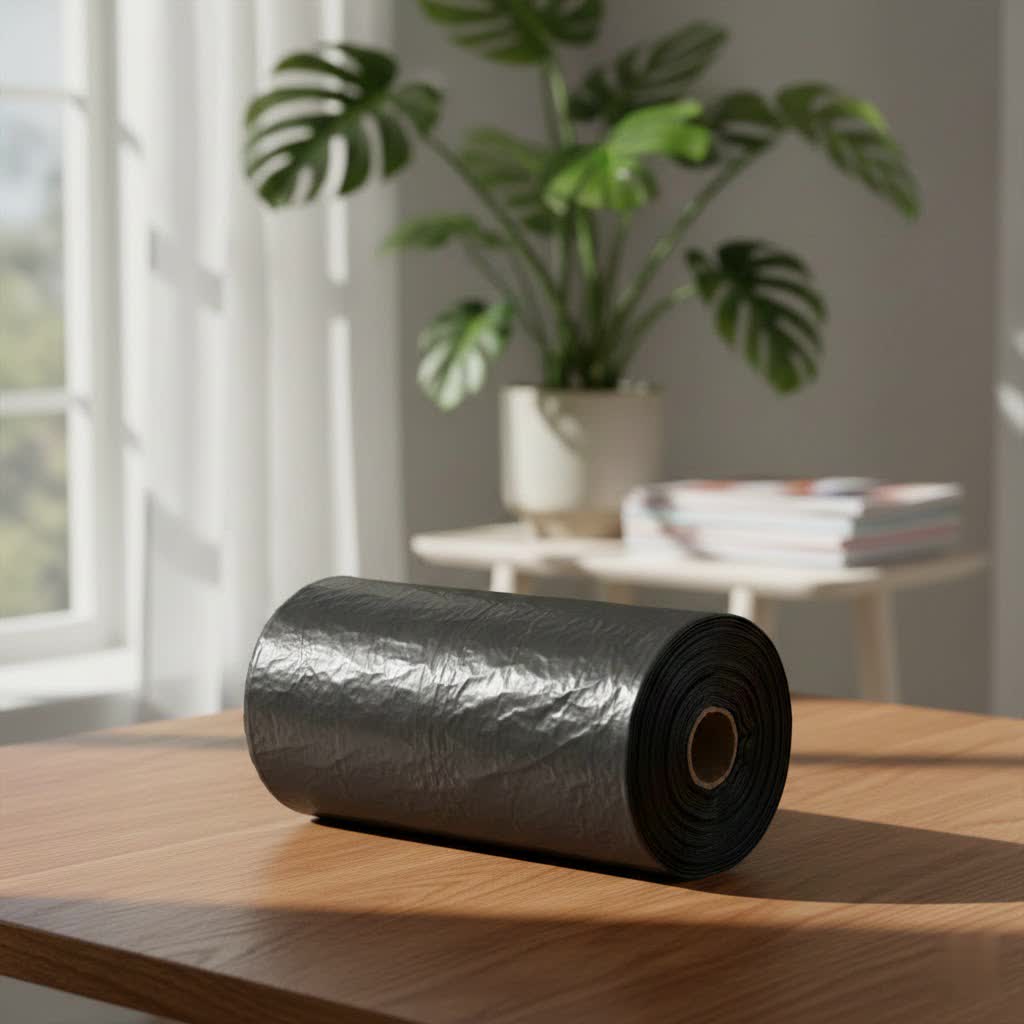
Ever found yourself wrestling with a flimsy trash bag, only for it to tear at the most inconvenient moment, leaving a trail of refuse and frustration? Effective waste management isn’t just about throwing things away; it starts with selecting the right tools for the job. In a world where cleanliness and environmental responsibility are paramount, understanding the diverse landscape of waste management trash bags is crucial. This comprehensive guide will navigate you through various types, features, and considerations, empowering you to make informed choices that keep your spaces clean, hygienic, and contribute to a healthier planet.
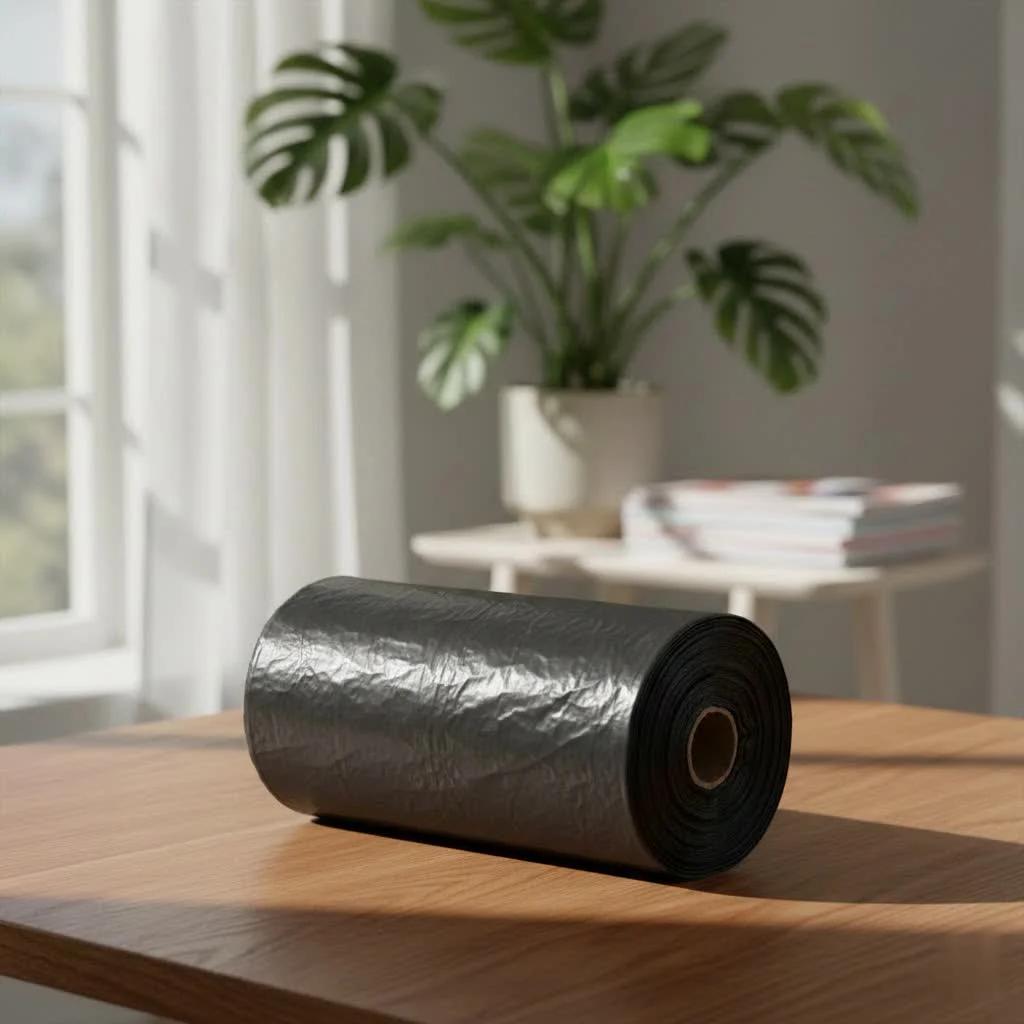
Common Types of Waste Management Trash Bags
The world of waste management trash bags extends far beyond a simple plastic liner. Different applications demand specific characteristics to handle various waste streams efficiently and hygienically. For trash bags buying guides on this site.
Traditional Plastic Trash Bags: These are the most ubiquitous, typically made from polyethylene (PE) or polypropylene (PP). They come in a wide range of sizes and thicknesses, suitable for general household and office waste. Their primary advantages include widespread availability and affordability, but their environmental impact due to slow decomposition is a significant drawback. They are best for non-organic, mixed waste.
Drawstring Bags: Featuring an integrated drawstring, these bags offer a convenient and secure closure, making them easy to tie, lift, and transport without direct contact with the waste. This design minimizes spills and odors, making them ideal for busy kitchens and bathrooms.
Flap-Tie Bags: An economical alternative to drawstrings, flap-tie bags have four flaps at the top that can be tied together. While generally secure, they might not offer as tight a seal as drawstring bags. They are often used for everyday household waste where budget is a key concern.
Heavy-Duty or Contractor Bags: Engineered for demanding tasks, these bags are made from thick, robust plastic (often high-density polyethylene, HDPE) to resist punctures and tears. They are essential for construction debris, yard waste, renovations, or other large-scale cleanups involving heavy or sharp items. Their exceptional durability ensures secure containment of bulky loads.
Compostable Bags: A sustainable choice for organic waste, compostable bags are typically made from plant-based materials like cornstarch. They are designed to break down naturally in composting environments, returning nutrients to the soil. These bags are perfect for food scraps, garden waste, and any compostable materials, reducing landfill waste. It’s crucial to check for certifications (e.g., BPI compostable) to ensure they meet industrial composting standards.
Biodegradable Bags: These bags are designed to break down more quickly than traditional plastics, though the rate and conditions vary greatly. While an improvement over conventional plastic, some biodegradable bags may still leave behind microplastics. They serve as a bridge for consumers seeking more eco-conscious options for general waste.
Recycling Bags (often clear or blue): Specifically designed for collecting recyclable materials like paper, plastic bottles, and cans. Using transparent or distinctly colored bags helps municipal waste facilities easily identify and sort recyclables, preventing contamination and promoting efficient recycling streams. They are often less durable as they aren’t intended for heavy or wet waste.
Detailed Comparison of Leading Trash Bag Attributes
When selecting waste management trash bags, understanding the attributes offered by leading brands can significantly influence your choice. While specific brand availability varies by region, we can compare common characteristics. Brands like Glad, Simplehuman, and Amazon Basics often lead the market, known for different strengths.
- Glad ForceFlex Plus: Frequently praised for its strength and flexibility, often utilizing unique diamond-texture patterns to stretch around irregular items without tearing. These are typically robust, offering excellent resistance to rips and leaks, making them suitable for heavy, messy kitchen waste. They often incorporate odor-neutralizing technologies.
- Simplehuman Custom Fit Liners: Designed to perfectly fit specific Simplehuman trash cans, eliminating overhang and bunching. They are known for their extra-thick plastic and double-seam construction, providing superior strength and preventing leaks. While often pricier, their tailored fit and durability are key selling points.
- Amazon Basics Tall Kitchen Drawstring Bags: A budget-friendly option that provides a good balance of durability and value. While they might not offer the advanced flexibility of ForceFlex or the tailored fit of Simplehuman, they are generally reliable for everyday household use and come in bulk quantities.
Trash Bag Comparison Table
|
Our Picks for the Best Trash Bags in 2026
As an Amazon Associate I earn from qualifying purchases.
|
||
| Num | Product | Action |
|---|---|---|
| 1 | Amazon Basics Multipurpose Drawstring Trash Bags, 30 Gallon, 50 Count (Previously Solimo) |

|
| 2 | Trash Bags with Drawstring, Leak-Proof Tear-Resistant Waste Bags for Bathroom Can, 20x18 Inch(4 Packs/60 Pack) |
|
| 3 | Hefty Ultra Strong Tall Kitchen Trash Bags, Citrus Twist Scent, 13 Gallon, 80 Count |
|
| 4 | Hefty Ultra Strong Trash Bags, Black Tall Kitchen Trash Bags 13 Gallon Size, Break Resistant Drawstring Enclosure, Continuous Odor Control, Blackout, Clean Burst Scent, 80 Bags |
|
| 5 | Reli. 55-60 Gallon Trash Bags Heavy Duty - 150 Count - 50-60 Gallon - Large Black Garbage Bags - Made in USA |
|
| 6 | Hefty Ultra Strong Tall Kitchen Trash Bags, Lavender & Sweet Vanilla Scent, 13 Gallon, 80 Count |
|
| 7 | Amazon Basics 30 Gallon Flextra Strength Multipurpose Drawstring Trash Bags, 20% Post Consumer Recycled, 50 count |
|
| 8 | Glad ForceFlex Tall Kitchen Drawstring Trash Bags, 13 Gal, Fragrance Free, 110 Ct (Package May Vary) |
|
| 9 | Amazon Basics 13 Gallon Tall Kitchen Drawstring Trash Bags, Unscented, 10% Post Consumer Recycled, 200 Count |
|
| 10 | Amazon Basics Flextra Tall Kitchen Drawstring Trash Bags, 13 Gallon, 120 Count |
|
| Brand (Example) | Type/Feature | Pros | Cons | Estimated Price Range (per bag) |
|---|---|---|---|---|
| Glad ForceFlex Plus | Tall Kitchen, Drawstring, Odor Shield | High strength, flexible, tear/puncture resistant, odor control | Can be more expensive than basic bags | $0.20 – $0.35 |
| Simplehuman Custom Fit | Kitchen, Drawstring, Extra Thick | Perfect fit for specific bins, very durable, leak-proof | Higher cost, only fits specific Simplehuman cans | $0.30 – $0.60 |
| Amazon Basics | Tall Kitchen, Drawstring | Good value, reliable for everyday use, widely available | Less advanced features (e.g., flexibility, odor control) | $0.10 – $0.25 |
| Generic Heavy-Duty Contractor | Large, Thick, Industrial | Extremely strong, puncture-resistant for heavy debris | Less common for household, can be bulky | $0.50 – $1.50 |
| Compostable (Certified) | Kitchen, Drawstring/Flap, Plant-based | Eco-friendly, breaks down with organic waste | Generally less durable, specific composting needs, higher cost | $0.40 – $0.80 |
Guide to Choosing the Right Trash Bags for Your Needs
Selecting the ideal trash bag involves more than just grabbing the first roll you see. It requires a thoughtful assessment of your specific waste management requirements.
-
Identify Your Usage Environment:
- Household: For kitchens, bathrooms, and bedrooms, consider bags with odor control, drawstrings for easy tying, and sizes appropriate for your bins. Kitchens generally require stronger, larger bags (13-20 gallons) due to food waste.
- Office: Lighter waste like paper and minimal food scraps can often be handled by medium-duty bags (10-15 gallons) or clear bags for easy sorting of recyclables.
- Industrial/Commercial: Construction sites, restaurants, or large facilities demand heavy-duty contractor bags (33-55+ gallons) with high mil thickness to withstand punctures and heavy loads.
-
Match Bag Size to Your Trash Can: An ill-fitting bag is a recipe for disaster.
- Measure your bin’s height and circumference (for round bins, multiply the diameter by Pi; for square/rectangular, add all four sides).
- The bag’s width should be half the circumference/perimeter, plus a few extra inches for overhang. The bag’s length should be the bin’s height plus half its diameter/width, and another 4-6 inches for tying.
- Pro Tip: A bag that’s too small will tear when stretched, while one that’s too large wastes material and can slip down.
-
Consider the Type of Waste:
- Wet/Food Waste: Look for leak-proof bags, possibly with odor-blocking features, and sufficient thickness (at least 0.9 mil for kitchen). Compostable bags are excellent for pure organic waste.
- Sharp/Heavy Waste: Opt for heavy-duty bags with a higher mil thickness (1.5 mil or more) and puncture resistance, such as contractor bags for construction debris.
- Light/Dry Waste: Standard low-density bags (0.7-0.9 mil) are typically sufficient for office paper, plastic packaging, or bathroom waste.
- Recyclables: Clear or blue recycling bags facilitate sorting and identification.
-
Prioritize Strength and Durability:
- Mil Thickness: This measures the bag’s thickness (one mil equals one-thousandth of an inch). Higher mil numbers indicate thicker, stronger bags.
- Light-duty: 0.7 – 1.0 mil (for paper, light office waste)
- Medium-duty: 1.1 – 1.5 mil (for general household, some food waste)
- Heavy-duty: 1.5 – 3.0+ mil (for sharp objects, construction debris, heavy loads)
- Material: High-density polyethylene (HDPE) bags are thinner but strong, ideal for heavy, wet waste. Low-density polyethylene (LDPE) bags are more flexible and puncture-resistant, better for bulky or irregularly shaped items.
- Reinforced Bottoms/Seams: Look for bags with star seals or reinforced bottoms to prevent leaks and tears, especially with heavier contents.
- Mil Thickness: This measures the bag’s thickness (one mil equals one-thousandth of an inch). Higher mil numbers indicate thicker, stronger bags.
-
Evaluate Environmental Impact: If sustainability is important, choose bags made from recycled content, biodegradable materials, or certified compostable options. Understand the disposal requirements for each to ensure they truly benefit the environment.
Tips for Using and Storing Waste Management Trash Bags
Maximizing the effectiveness and lifespan of your trash bags, while also practicing good waste habits, can simplify your daily routine.
- Avoid Overfilling: While it’s tempting to cram as much as possible into a bag, overfilling significantly increases the risk of tearing, especially with heavy or sharp items. Leave enough space to tie the bag securely without straining the material.
- Double-Bag for Risky Waste: For particularly wet, heavy, or sharp refuse, use two bags for added security. This small step can prevent messy leaks and spills.
- Expel Air Before Tying: Squeeze out excess air from the bag before sealing it. This makes the bag more compact, easier to handle, and less likely to burst when moved.
- Proper Disposal: Always tie bags securely to contain odors and prevent spills. For recyclables, ensure items are clean and dry, and avoid putting loose plastic bags into recycling bins as they can jam machinery.
- Store in a Cool, Dry Place: Heat and humidity can degrade plastic, making bags brittle and prone to tearing. Store your rolls or boxes of trash bags in a cool, dry area away from direct sunlight.
- Keep Bags Handy: Store smaller rolls of bags in multiple locations where trash is generated (e.g., under sinks, in bathroom cabinets) to encourage prompt replacement and prevent bins from overflowing.
- Consider Odor Control: For kitchen waste, bags with built-in odor neutralizers or scents can help mask unpleasant smells. Alternatively, consider using baking soda at the bottom of the bin.
Eco-Friendly Waste Management Trash Bags
As environmental consciousness grows, so does the demand for sustainable waste solutions. Eco-friendly trash bags offer alternatives to traditional plastics, aiming to reduce landfill burden and pollution.
- Compostable Bags: These are the most environmentally beneficial for organic waste. Made from plant-based materials (like cornstarch, potato starch, or vegetable oils), they are designed to fully decompose into natural elements without leaving toxic residues. Look for certifications like BPI Compostable or TÜV Austria’s OK Compost, which verify that the bags meet specific standards for industrial composting. They are ideal for food scraps, garden waste, and other organic materials destined for a composting facility.
- Biodegradable Bags: While often marketed as eco-friendly, “biodegradable” can be a broad term. These bags typically break down faster than traditional plastic, but may require specific conditions (e.g., sunlight, oxygen) to do so, and might still leave behind microplastics. They are a step better than conventional plastic but not as environmentally sound as certified compostable bags.
- Recycled Plastic Bags: These bags incorporate post-consumer or post-industrial recycled plastic content, reducing the reliance on virgin plastic production. While they are still plastic, their production uses fewer resources and diverts plastic from landfills. Look for percentages of recycled content on the packaging.
- Benefits of Eco-Friendly Options:
- Reduced Landfill Waste: Compostable bags break down, returning organic matter to the earth.
- Lower Carbon Footprint: Manufacturing often uses fewer fossil fuels and produces less greenhouse gas.
- Reduced Plastic Pollution: Less virgin plastic is produced, and certain options mitigate long-term plastic waste.
Choosing truly eco-friendly bags requires vigilance. Always check for reputable certifications, understand the specific disposal instructions (e.g., industrial composting vs. home composting), and recognize that these options may come at a slightly higher cost due to specialized materials and manufacturing processes.
“Investing in high-quality, appropriate trash bags is a small yet impactful decision that reflects a larger commitment to hygiene, efficiency, and environmental responsibility in both homes and businesses.” – Admin, ReviewModAPK.com
Where to Purchase Waste Management Trash Bags
Finding the right trash bags is easier than ever, with a variety of purchasing options to suit different preferences and needs.
- Supermarkets and Hypermarkets: Large grocery stores like Big C, Lotte Mart, or Aeon (common in Vietnam, for example) typically carry a wide selection of household trash bags from various local and international brands. This is convenient for everyday purchases.
- Convenience Stores: Stores like Circle K or Family Mart offer smaller packs of standard trash bags, ideal for quick, impromptu purchases, especially for smaller bins or travel-size needs.
- Online Retailers: E-commerce platforms such as Shopee, Lazada, or Tiki (popular in Vietnam) provide an extensive range of waste management trash bags, including specialized, bulk, or eco-friendly options that might not be available in physical stores. Online shopping often offers competitive pricing, customer reviews, and the convenience of home delivery. Always check seller reputation and product reviews when buying online.
- Wholesale Clubs and Commercial Suppliers: For businesses or individuals requiring large quantities of heavy-duty or specialized bags, wholesale clubs (like MM Mega Market) or dedicated commercial cleaning supply companies are excellent sources. They often offer bulk discounts.
- Hardware Stores/Home Improvement Centers: Stores like those found at local hardware markets might carry robust contractor bags for construction or renovation projects.
When purchasing, especially online, compare prices, read product descriptions carefully, and consider customer reviews to ensure the bag meets your specifications for size, strength, and features.
Reference Price Table for Trash Bags (Updated 2024 – General Estimates)
| Type of Bag | Size (Gallons) | Quantity (Roll/Pack) | Estimated Price Range (USD) |
|---|---|---|---|
| Standard Kitchen | 13 | 50-100 | $8 – $15 |
| Tall Kitchen Drawstring | 13 | 40-80 | $10 – $20 |
| Small Bathroom/Office | 4-8 | 60-120 | $5 – $10 |
| Heavy-Duty Contractor | 33-55 | 25-50 | $20 – $40 |
| Compostable (Certified) | 13 | 20-50 | $12 – $25 |
| Recycling (Clear/Blue) | 30 | 50-100 | $15 – $25 |
Note: Prices are estimates and can vary significantly based on brand, retailer, material thickness, special features (e.g., odor control), promotions, and regional market conditions.
Buying Guide: Essential Criteria for Waste Management Trash Bags
To simplify your decision-making, focus on these critical factors when purchasing waste management trash bags:
-
Durability and Strength: This is paramount to prevent leaks and tears.
- Tear Resistance: Look for materials like LDPE for flexibility against sharp or irregularly shaped items, or bags with a textured surface (e.g., ForceFlex) that allow for stretching.
- Puncture Resistance: HDPE bags offer good puncture resistance for dense, heavy loads. For very sharp objects, a higher mil count (1.5 mil+) is crucial.
- Load Capacity: Ensure the bag can handle the typical weight of your waste without compromising its integrity.
-
Size and Fit: The bag must be compatible with your trash can.
- Volume (Gallons/Liters): Match the bag’s stated capacity to your bin’s volume.
- Dimensions: Always measure your bin (height and circumference/perimeter) and compare it to the bag’s open dimensions to ensure a secure fit with adequate overhang for tying.
-
Material Composition: Different materials offer distinct benefits.
- Polyethylene (PE – HDPE/LDPE): The most common. HDPE is strong and thin for heavy loads; LDPE is flexible and puncture-resistant for bulky items.
- Biodegradable/Compostable: Opt for plant-based materials for organic waste and a reduced environmental footprint, but confirm certifications.
-
Price and Value: Balance cost with performance and features.
- Cost per Bag: Compare unit prices, especially when buying in bulk.
- Longevity: A slightly more expensive, durable bag that prevents spills and frequent replacements can offer better long-term value than a cheap, flimsy one.
-
Special Features: Enhance convenience and hygiene.
- Closure Type: Drawstrings are convenient and secure, while flap ties are more economical.
- Odor Control: Scented bags or those with activated carbon technology can neutralize unpleasant smells.
- Leak Protection: Look for reinforced seams or multi-layer construction.
Conclusion
Choosing the right waste management trash bags is a simple yet impactful decision that significantly affects household cleanliness, operational efficiency, and environmental responsibility. From heavy-duty contractor bags for industrial waste to certified compostable bags for organic refuse, a diverse array of options exists to meet every need. By prioritizing factors like size, strength, material, and environmental impact, you can ensure your waste is contained securely and disposed of responsibly. Making an informed choice not only prevents messy spills and unpleasant odors but also contributes to more sustainable waste practices.
What steps will you take today to upgrade your waste management strategy and make a positive impact on your environment?
Frequently Asked Questions
What is the difference between biodegradable and compostable trash bags?
Compostable trash bags are made from plant-based materials and are designed to break down completely into natural elements in a composting environment, leaving no toxic residue. Biodegradable bags break down faster than traditional plastic, but the process can be inconsistent, often requiring specific conditions, and they may still leave behind microplastics. For true environmental benefit with organic waste, certified compostable bags are the superior choice.
How do I choose the right size trash bag for my bin?
To find the correct size, measure your trash can’s height and its circumference (the distance around the top rim). The bag’s width should be half the circumference plus a few inches for overhang. The bag’s length should be the bin’s height plus half its diameter (for round) or width (for square/rectangular), plus extra for tying.
What does “mil” mean in trash bags, and why is it important?
“Mil” refers to one-thousandth of an inch and indicates the thickness of the trash bag material. A higher mil count signifies a thicker, stronger bag that is more resistant to punctures and tears. For light waste, 0.7-1.0 mil is sufficient, while heavy-duty tasks with sharp objects may require 1.5-3.0 mil or more.
Can I put plastic shopping bags in my recycling bin?
Generally, no. Loose plastic shopping bags and bagged recyclables are considered “tanglers” in recycling facilities. They can jam machinery, disrupt the sorting process, and contaminate batches of otherwise recyclable materials. Most curbside recycling programs require recyclables to be loose in the bin. Many retailers offer separate drop-off points for plastic bag recycling.
Are scented trash bags effective at controlling odors?
Scented trash bags can help mask unpleasant odors with fragrances. However, for true odor control, bags with advanced odor-neutralizing technologies (like activated carbon layers) or simply thicker, well-sealed bags are often more effective at trapping smells rather than just covering them up. Some individuals may also find strong scents irritating.
How can I make my trash bags more durable?
To increase durability, avoid overfilling bags, especially with heavy or sharp items. For particularly risky waste, consider double-bagging. Choose bags with a higher mil thickness and reinforced bottoms or star seals for enhanced strength. Expelling air before tying can also prevent bursting.
What are contractor bags used for?
Contractor bags are heavy-duty trash bags specifically designed for demanding cleanup tasks. They are made from very thick, durable plastic to withstand heavy loads, sharp objects, and construction debris like wood, metal scraps, or broken tiles. They are commonly used in construction, renovation, yard work, and large-scale cleanouts.
Get our weekly buyer guide
Practical specs, not advice. Unsubscribe anytime.
