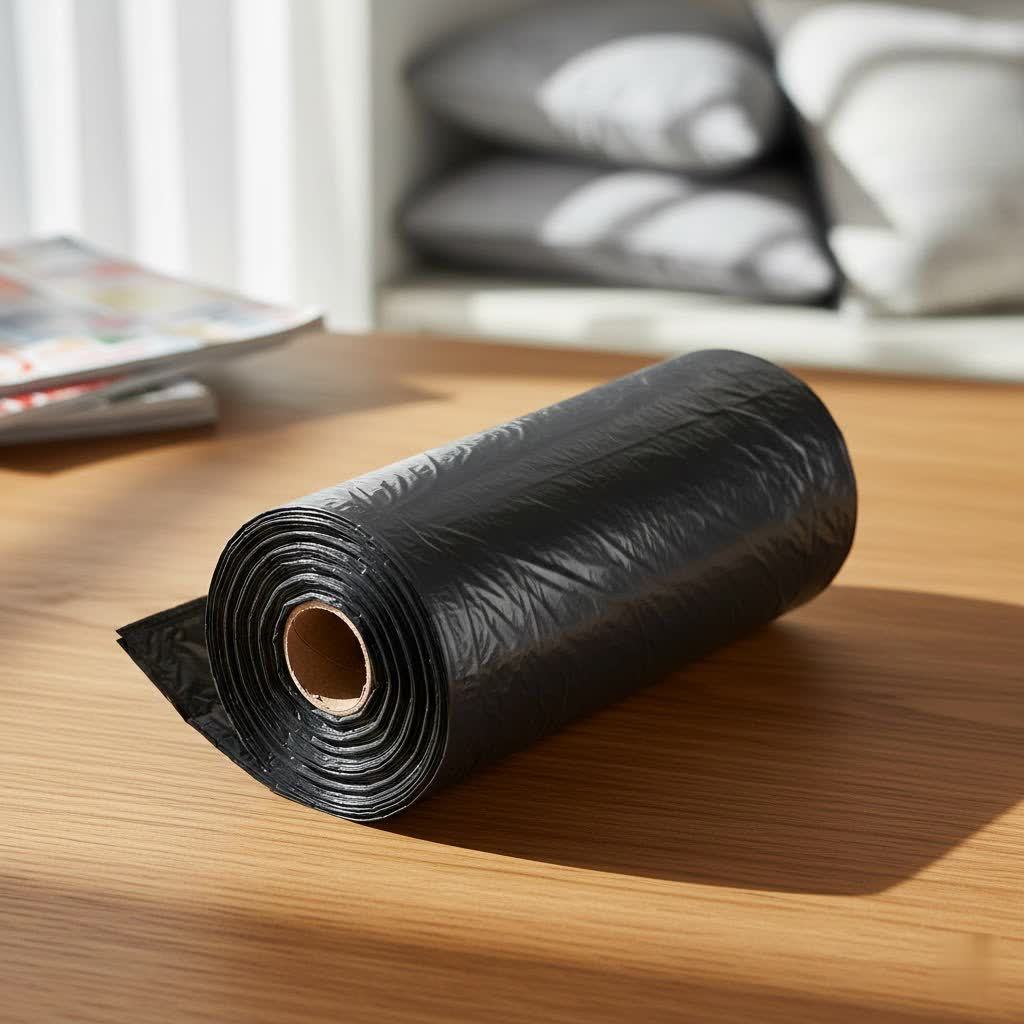
Dealing with large volumes of waste can be a frustrating and messy affair if you don’t have the right tools for the job. From extensive home cleanouts and demanding construction projects to busy commercial environments and sprawling yard work, standard kitchen bags simply won’t cut it. This is where the biggest trash bags come into play, offering superior capacity and unmatched durability to handle even the toughest refuse. Choosing the right heavy-duty bag can transform your waste management from a constant battle against tears and leaks into a smooth, efficient process. Let’s dive into the world of colossal liners and discover how to find your perfect fit.
Understanding Large Capacity Trash Bags: More Than Just Size
When you’re dealing with significant waste, the term “biggest trash bags” signifies more than just a larger opening. It refers to a specialized category of bags designed for immense volume, exceptional strength, and specific applications that lighter-duty bags cannot withstand. These bags are crafted to handle everything from bulky yard debris and sharp construction waste to high-volume commercial trash.
Two critical metrics define these powerhouses: gallons and mils. Gallons indicate the bag’s volumetric capacity, telling you how much it can hold. Common large capacities range from 33 gallons for commercial use, up to 60-65 gallons for heavy-duty cleanup, and even 95-96 gallons for industrial settings. Mil, on the other hand, measures the bag’s thickness—one mil equals one-thousandth of an inch. A higher mil count means a thicker, more durable bag, crucial for preventing punctures and tears from heavy or sharp objects. Understanding these factors is key to selecting a bag that won’t let you down.
Common Types of Big Trash Bags
The world of large trash bags is diverse, each type engineered for specific challenges. Knowing the distinctions will help you pinpoint the best solution for your waste.
- Contractor Bags: These are the titans of trash bags, specifically designed for demanding tasks. Typically ranging from 32 to 60 gallons and often featuring a thickness of 3 to 6 mil, contractor bags are indispensable on construction sites, during home renovations, or for clearing demolition debris. They are built to resist punctures and tears from sharp wood scraps, broken glass, metal, and other irregular, heavy objects. Some extreme-duty contractor bags, like those made from woven polypropylene, can even hold up to 100 lbs and are reusable.
- Industrial/Commercial Liners: For businesses and facilities that generate high volumes of waste, industrial and commercial liners are essential. These can range from 33-gallon bags for busy offices and commercial kitchens to extra-large 95-96 gallon options for warehouses and large-scale operations. While often focusing on volume, many commercial liners also boast significant mil thickness to handle varied waste streams without compromise.
- Outdoor/Yard Waste Bags: When fall cleanup or gardening projects loom, dedicated outdoor and yard waste bags are your best ally. While their gallon capacity might overlap with some commercial bags, their focus is on containing bulky and often damp organic matter like leaves, grass clippings, branches, and garden refuse. They prioritize tear resistance and often have a strong, flexible composition to endure outdoor conditions and heavy loads.
Decoding Trash Bag Materials and Strength
|
Our Picks for the Best Trash Bags in 2026
As an Amazon Associate I earn from qualifying purchases.
|
||
| Num | Product | Action |
|---|---|---|
| 1 | Amazon Basics Flextra Tall Kitchen Drawstring Trash Bags, 13 Gallon, 120 Count |

|
| 2 | Glad ForceFlex Tall Kitchen Drawstring Trash Bags, 13 Gal, Fragrance Free, 110 Ct (Package May Vary) |
|
| 3 | Hefty Ultra Strong Trash Bags, Black Tall Kitchen Trash Bags 13 Gallon Size, Break Resistant Drawstring Enclosure, Continuous Odor Control, Blackout, Clean Burst Scent, 80 Bags |
|
| 4 | Hefty Ultra Strong Tall Kitchen Trash Bags, Citrus Twist Scent, 13 Gallon, 80 Count |
|
| 5 | Hefty Ultra Strong Tall Kitchen Trash Bags, Lavender & Sweet Vanilla Scent, 13 Gallon, 80 Count |
|
| 6 | Amazon Basics 30 Gallon Flextra Strength Multipurpose Drawstring Trash Bags, 20% Post Consumer Recycled, 50 count |
|
| 7 | Trash Bags with Drawstring, Leak-Proof Tear-Resistant Waste Bags for Bathroom Can, 20x18 Inch(4 Packs/60 Pack) |
|
| 8 | Amazon Basics Multipurpose Drawstring Trash Bags, 30 Gallon, 50 Count (Previously Solimo) |
|
| 9 | Amazon Basics 13 Gallon Tall Kitchen Drawstring Trash Bags, Unscented, 10% Post Consumer Recycled, 200 Count |
|
| 10 | Reli. 55-60 Gallon Trash Bags Heavy Duty - 150 Count - 50-60 Gallon - Large Black Garbage Bags - Made in USA |
|
The material composition of a trash bag is just as important as its size and thickness. Different plastics offer varying levels of strength, flexibility, and resistance to specific types of waste.
- High-Density Polyethylene (HDPE): HDPE bags are generally thinner, stiffer, and more economical. They offer excellent puncture resistance against dry, sharp objects such as pens, staples, or paper. This makes them suitable for light office waste or dry trash where tears from heavy loads aren’t the primary concern. However, HDPE bags are less stretchable and prone to tearing if overloaded or used with heavy, wet, or irregularly shaped waste.
- Low-Density & Linear Low-Density Polyethylene (LDPE/LLDPE): These are the workhorses for heavy-duty applications. LDPE and LLDPE bags are thicker, significantly more stretchable, and highly tear-resistant. Their flexibility allows them to conform to irregular shapes without easily ripping, making them ideal for heavy, wet, or sharp waste like food scraps, construction debris, and garden refuse. Most quality contractor bags are made from a blend of LLDPE, often incorporating recyclable materials for a more eco-conscious option.
- Woven Polypropylene: For the absolute toughest jobs, some specialized contractor bags are crafted from woven polypropylene. This material is incredibly durable, similar to what’s used in military-grade sandbags. Bags made from woven polypropylene, typically with a 6 mil thickness, offer extreme strength, are highly resistant to tearing from jagged materials like broken tiles and bricks, and can often be reused for multiple demanding tasks.
Top Brands for Heavy-Duty and Biggest Trash Bags
When it comes to the biggest and strongest trash bags, several brands have established themselves as leaders in durability and capacity. These brands understand the needs of demanding environments and offer products designed to perform under pressure.
Plasticplace offers a wide range of heavy-duty contractor bags, available in capacities from 32-33 gallons up to 55-60 gallons. Their bags are typically made from a blend of Linear-Low Density Polyethylene (LLDPE), ensuring tear and leak resistance. They provide various thickness options, including 3.0 mil, 4.0 mil, and even robust 6.0 mil bags, suitable for construction, demolition, and landscaping projects. Plasticplace emphasizes the use of primarily recyclable materials, often around 90%, reflecting a commitment to sustainability while maintaining high durability. Their bags are designed to conform to debris, maximizing space efficiency, and are even UV-resistant for outdoor disposal.
Sandbaggy is notable for its extremely durable 6 mil contractor bags, which are made from woven polypropylene. These bags boast an impressive capacity, capable of holding up to 100 lbs of heavy debris like broken glass, tiles, or bricks. Their construction-grade material ensures they are highly resistant to tearing and can even be reused, making them a cost-effective choice for rigorous projects.
Other notable brands frequently found in the heavy-duty sector include Reli. Contractor and ToughBag, often seen in 55-gallon capacities for outdoor and industrial use. Ox Plastics also offers heavy-duty contractor bags in sizes like 30, 32, and 40 gallons, typically with a 2.0 mil or higher thickness, focusing on preventing rips and containing odors during major cleanups.
Comparison Table: Biggest Trash Bags
Choosing the right big trash bag involves weighing capacity, thickness, material, and intended use. Here’s a comparative look at some top-tier options for demanding jobs:
| Brand | Type | Capacity (Gallons) | Thickness (Mil) | Key Features | Ideal Use |
|---|---|---|---|---|---|
| Plasticplace | Contractor | 32-60 | 3.0, 4.0, 6.0 | LLDPE blend, tear/leak-resistant, UV-resistant, often 90% recyclable | Construction, demolition, landscaping, heavy industrial waste |
| Sandbaggy | Contractor | ~55-60 (100 lbs) | 6.0 | Woven Polypropylene, reusable, extreme durability | Heavy debris, sharp objects, construction, demolition |
| Reli. Contractor | Contractor | 55 | Heavy-duty (specific mil varies) | Durable, strong construction | Outdoor projects, industrial waste |
| Ox Plastics | Contractor | 30, 32, 40 | 2.0+ | Heavy-duty, designed to prevent odor | Major cleanup jobs, yard waste, household junk |
| (Generic) | Industrial/Commercial | 95-96 | Variable (heavy-duty) | Max volume, often thicker LDPE/LLDPE | Warehouses, large facilities, high-volume commercial waste |
Your Ultimate Buying Guide: Choosing the Right Big Trash Bag
Selecting the perfect big trash bag isn’t just about grabbing the largest one you see. A strategic approach will ensure you get a bag that fits your needs, performs reliably, and offers the best value.
- Matching Bag to Bin: This is fundamental. If you’re using a specific trash can, measure its dimensions accurately. For a circular bin, measure its circumference and divide by two to get the ideal bag width. For both circular and rectangular bins, measure the height and add 4-6 inches for overhang to ensure the bag can be securely folded over the rim. Always opt for a bag capacity that is equal to or slightly larger than your bin’s volume to prevent spills and maximize space.
- Assessing Waste Type: The nature of your waste dictates the bag’s material and thickness. For dry, relatively soft items like paper, lightweight HDPE might suffice. However, for wet garbage, food scraps, or heavy, irregularly shaped objects (e.g., broken tiles, branches), you’ll need the flexibility and tear resistance of LDPE or LLDPE. If sharp objects are a concern, prioritize puncture-resistant materials and higher mil ratings.
- Thickness Matters: As a general rule, for true heavy-duty applications, aim for trash bags with a thickness of 3.0 mil or higher. Anything less might compromise integrity when dealing with construction debris, dense yard waste, or industrial refuse. For extreme conditions, 6.0 mil bags offer unparalleled strength.
- Seal Types: While star seals and gusset seals are common for everyday bags, flat seals are often recommended for construction and heavy-duty trash bags. Flat seals are not limited by the shape of the receptacle and can be used free-standing, making them convenient for collecting debris directly on a job site or for yard trimmings.
- Features for Convenience: While less common on the absolute largest industrial bags, some commercial or outdoor large bags may include features like drawstrings for easier closure and transport, or odor control for containing unpleasant smells. For industrial or construction use, features like UV resistance are beneficial if bags are stored outdoors.
- Eco-Friendly Considerations: If sustainability is a priority, look for large trash bags made from recycled content, such as LLDPE blends, which can be primarily recyclable. While compostable bags are available for organic waste, it’s important to note they are generally not designed for heavy-duty applications or sharp objects and will break down faster.
Tips for Maximizing the Life and Efficiency of Your Large Trash Bags
Even the strongest trash bag can fail if not used correctly. Implement these tips to get the most out of your biggest trash bags and ensure efficient waste management:
- Proper Filling Techniques: Avoid simply dropping heavy items into the bag from a height, which can cause impact tears. Gently place heavier or sharper objects at the bottom, distributing weight evenly. For very sharp items, consider wrapping them in cardboard or newspaper before disposal to prevent punctures.
- Safe Lifting and Handling: Large trash bags can become extremely heavy. Always lift with your legs, not your back, and if a bag is exceptionally heavy, ask for help. Use dollies or carts when transporting bags over longer distances to prevent straining or dragging, which can cause tears.
- Storage Tips: Store unused trash bags in a cool, dry place away from direct sunlight and extreme temperatures. UV exposure can degrade plastic over time, making bags brittle and more prone to tearing. Keeping them in their original packaging can also protect them.
- Responsible Disposal Practices: Always adhere to local waste disposal regulations. Some types of construction debris or chemicals may require specialized disposal methods, even if contained in a heavy-duty bag. Proper sorting ensures recyclable materials are processed correctly and hazardous waste is handled safely.
Where to Buy the Biggest Trash Bags
Finding the right source for your biggest trash bags ensures you get quality products at competitive prices.
- Online Specialized Retailers: Websites like Plasticplace, Ox Plastics, and AAA Polymer specialize in commercial and heavy-duty trash bags. They often offer a wide selection of sizes, mil thicknesses, and material types, along with bulk purchasing options and direct delivery. This is an excellent source for specific contractor-grade or industrial liners.
- Home Improvement Stores: Large chain retailers such as Home Depot and Lowe’s carry a range of heavy-duty trash bags, including contractor bags from brands like Husky and Contractor’s Choice. These stores are convenient for smaller quantities or immediate needs.
- Wholesale Suppliers: For businesses or individuals needing very large quantities, wholesale suppliers are often the most cost-effective option. They typically sell by the case or pallet, offering significant discounts for bulk purchases.
Reference Price Guide for Large Trash Bags (Updated 2024)
Prices for large trash bags can vary significantly based on capacity, thickness, material, brand, and quantity purchased. Here’s an estimated price range for some common large-capacity bags:
| Bag Type | Capacity (Gallons) | Thickness (Mil) | Quantity (per case) | Estimated Price Range (per bag) |
|---|---|---|---|---|
| Contractor | 42 | 3.0 | 50 | $0.63 – $0.86 |
| Contractor | 55-60 | 3.0 | 50 | $0.94 – $1.21 |
| Contractor | 55-60 | 6.0 | 25 | $1.79 – $2.30 |
| Industrial | 95-96 | 2.0-3.0 | 100 | $0.70 – $1.50 |
These prices are approximate and can fluctuate based on market conditions and supplier.
Buying Guide: Important Criteria When Purchasing Big Trash Bags
When you’re ready to invest in the biggest trash bags, consider these crucial factors to make the best choice:
- Durability: The bag’s ability to withstand heavy loads, punctures, and tears is paramount. Look for high mil ratings and materials like LDPE/LLDPE or woven polypropylene for maximum strength.
- Size: Ensure the gallon capacity and physical dimensions (width and height) are appropriate for your trash bin or the volume of waste you anticipate. A snug fit prevents the bag from slipping down.
- Material: Choose between HDPE for lighter, dry, sharp waste or LDPE/LLDPE for heavier, wet, or irregularly shaped refuse. Woven polypropylene is for extreme durability.
- Price: Compare costs across brands and suppliers, especially when buying in bulk. Factor in the cost per bag, not just the total case price.
- Features: Consider practical features like flat seals for versatile use, UV resistance for outdoor storage, or the inclusion of recycled materials for environmental benefits.
“Investing in the right heavy-duty trash bag is not an expense, it’s an investment in efficiency and cleanliness. A torn bag isn’t just a mess; it’s lost time and potential safety hazards.” – Admin, ReviewModAPK.com, Home Appliance and Waste Management Expert
Conclusion
Navigating the world of waste disposal, especially with large-scale projects or commercial needs, demands more than just any old garbage bag. The biggest trash bags, characterized by their impressive gallon capacities and formidable mil thickness, are purpose-built to handle the most challenging refuse. By understanding the different types, materials, and crucial buying criteria, you can confidently select bags that prevent leaks, resist tears, and streamline your cleanup efforts. From construction sites to major household declutters, the right heavy-duty bag ensures your waste management is effective and hassle-free. What significant cleanup project are you tackling next, and how will a super-strong trash bag make it easier?
Frequently Asked Questions
What is the largest gallon size for trash bags?
The largest commonly available trash bags for commercial and industrial use typically range from 95 to 96 gallons. These massive bags are designed for extremely high-volume waste in settings like warehouses, large facilities, and outdoor collection areas.
What mil thickness is considered heavy-duty for trash bags?
For truly heavy-duty applications like construction debris or industrial waste, a trash bag with a thickness of 3.0 mil or higher is considered robust. Bags in the 4.0 to 6.0 mil range offer exceptional puncture and tear resistance for the toughest jobs.
Can I reuse contractor bags?
Yes, some heavy-duty contractor bags, especially those made from extremely durable materials like 6.0 mil woven polypropylene, are designed to be reusable. Their superior strength and tear resistance allow them to withstand multiple loads of heavy or sharp debris.
Are there environmentally friendly options for very large trash bags?
While 100% compostable bags for extremely heavy-duty, very large capacities are less common due to their faster breakdown rate, many large trash bags, particularly those made from Linear-Low Density Polyethylene (LLDPE), incorporate a high percentage of recyclable materials. Look for labels indicating recycled content and ensure proper local recycling guidelines are followed.
How do I properly measure my trash can for a large bag?
To find the correct bag width, measure the circumference of your trash can and divide by two. For the bag length, measure the height of the can and add an extra 4 to 6 inches for overhang to ensure the bag can be securely folded over the rim and tied.
Get our weekly buyer guide
Practical specs, not advice. Unsubscribe anytime.
