
The humble trash bag, often overlooked, plays a surprisingly critical role in maintaining a clean and hygienic home. A flimsy bag can turn a routine chore into a messy disaster, leading to leaks, tears, and frustrating spills. But with a vast array of options available today, how do you choose the right one for your specific needs? This comprehensive guide will navigate the world of trash can bags, helping you understand different types, materials, features, and brands, so you can confidently select the perfect bag for every bin in your home and budget.
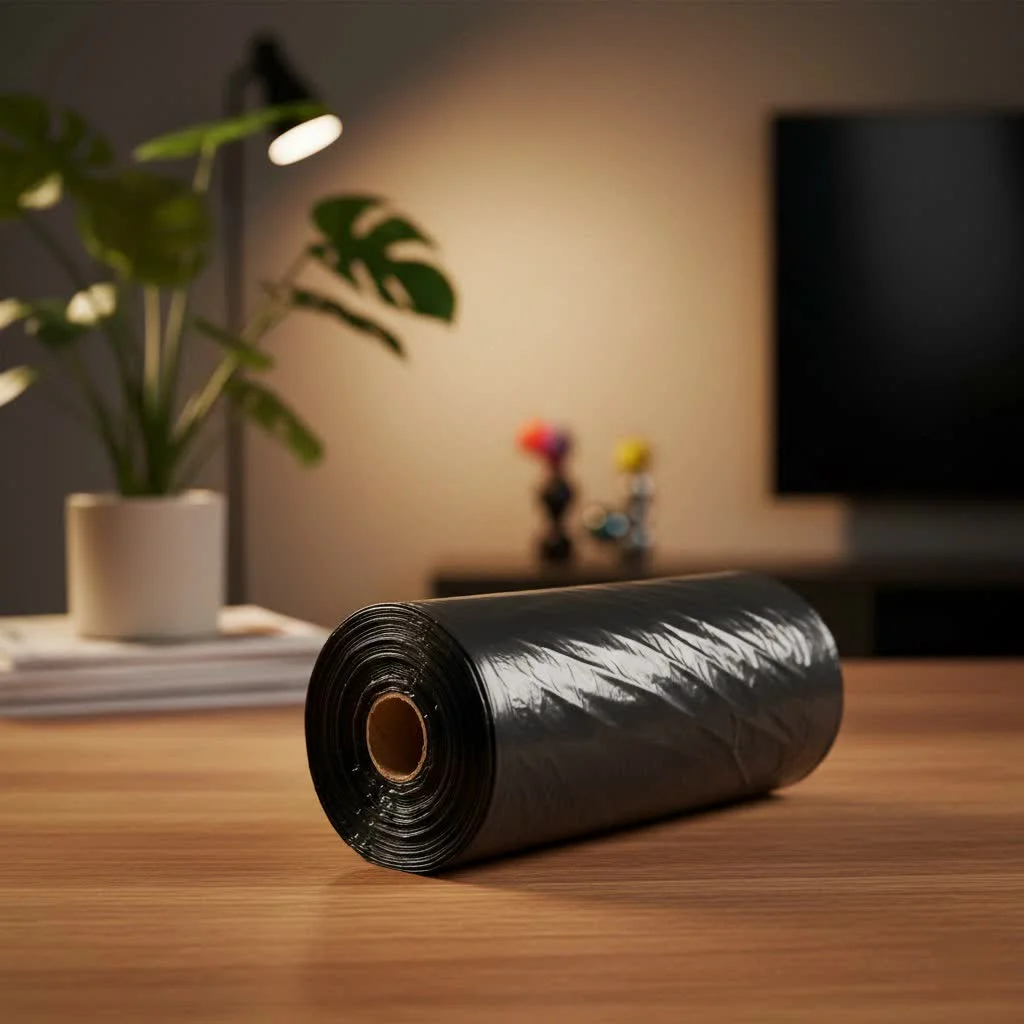
Common Types of Trash Can Bags
Trash can bags come in various forms, each designed with particular uses and advantages in mind. Understanding these differences is key to making an informed choice.
Flat Seal Bags
These are traditional plastic bags sealed straight across the bottom. They are typically the most affordable option, making them suitable for lightweight, dry waste like paper or office trash. However, flat seal bags are generally not leak-proof and can bunch awkwardly in round bins, potentially leading to inefficient use of space.
Star Seal Bags
Recognizable by their star-shaped seal at the bottom, these bags are engineered to conform better to the shape of various bins, including round and oddly shaped ones. Star seal bags offer excellent leak resistance because the weight of the contents is distributed more evenly, preventing sagging and ripping. They are a reliable choice for kitchen waste where liquids and heavier items are common.
Drawstring Bags
A popular choice for many households, drawstring bags feature a built-in cord for easy closing, lifting, and carrying. This design minimizes messes when removing the bag from the can and offers a more hygienic solution, particularly for kitchen and bathroom waste. While often slightly more expensive than basic flat seal options, their convenience and mess-free disposal are highly valued.
Heavy-Duty Bags
When dealing with demanding waste, such as construction debris, yard waste, or items with sharp edges, heavy-duty trash bags are indispensable. These bags are significantly thicker, measured by their “mil” count, and are designed for superior puncture and tear resistance. They come in larger capacities and are ideal for garage cleanups, moving, renovations, or any task that requires robust waste containment.
Environmentally Friendly Options: Compostable and Recycled Bags
With growing environmental awareness, eco-friendly trash bag alternatives have become increasingly popular.
- Compostable Bags: These bags are made from plant-based materials like corn starch, PBAT, and PLA. Crucially, truly compostable bags are certified to break down into natural elements in a commercial composting facility. Look for certifications such as BPI (Biodegradable Products Institute) or TÜV AUSTRIA to ensure genuine compostability. They are excellent for organic food waste and garden scraps, contributing to healthier soil rather than filling landfills.
- Biodegradable Bags: The term “biodegradable” can be misleading. Many so-called “biodegradable” plastic bags simply break down into smaller plastic fragments (microplastics) rather than fully decomposing. It’s vital to differentiate these from certified compostable options to ensure you’re making a truly environmentally responsible choice.
- Recycled Content Bags: These bags incorporate post-consumer recycled plastic, reducing the demand for new virgin plastic production and supporting a circular economy.
Detailed Comparison of Leading Trash Can Bag Brands
The market offers a wide array of trash bag brands, each with its strengths. Based on extensive testing and user feedback, some brands consistently stand out for their performance.
- Simplehuman: Known for their premium quality and custom-fit designs, Simplehuman bags are often praised for their exceptional strength, tear, and leak resistance. They are specifically designed to fit Simplehuman trash cans perfectly, eliminating bunching and slipping. While they come at a higher price point, many users find the fit and durability worth the investment.
- Glad: A household name, Glad offers several popular lines, including Glad ForceFlex Plus and Glad Tall Kitchen Drawstring Bags. The ForceFlex Plus bags are particularly lauded for their superior strength and flexibility, adapting to heavy and oddly shaped loads without tearing. Glad bags are generally reliable for everyday kitchen use and stand up well to considerable weight. However, some variations, like handle-tie versions, may not be as robust as their drawstring counterparts.
- Walmart’s Great Value / Reli. SuperValue: For budget-conscious consumers, brands like Walmart’s Great Value and Reli. SuperValue offer competitive performance at a more accessible price. Consumer reports have shown that some of these value brands perform surprisingly well in puncture and strength tests, making them a smart choice for general household waste without breaking the bank.
- Amazon Basics: These bags are often highlighted for their good value, particularly for common sizes like 13-gallon tall kitchen bags. They are typically stretchy, accommodating various loads, but reviews on their ultimate strength can be mixed compared to premium brands when dealing with very sharp or heavy items.
- Hefty: Another widely recognized brand, Hefty maintains strong brand equity, especially in the value segment. Their bags are known for their strength and reliability, often featuring technologies aimed at stretch and odor control.
- HoldOn / UNNI / Ecolipak: These brands are at the forefront of the certified compostable bag market. Products from UNNI, for instance, are BPI certified and made from plant-based materials like corn starch, offering reliable strength and true compostability. While generally more expensive than traditional plastic bags, they provide a durable and environmentally responsible option for managing organic waste.
Trash Can Bag Comparison Table
|
Our Picks for the Best Trash Bags in 2026
As an Amazon Associate I earn from qualifying purchases.
|
||
| Num | Product | Action |
|---|---|---|
| 1 | Amazon Basics 30 Gallon Flextra Strength Multipurpose Drawstring Trash Bags, 20% Post Consumer Recycled, 50 count |

|
| 2 | Amazon Basics 13 Gallon Tall Kitchen Drawstring Trash Bags, Unscented, 10% Post Consumer Recycled, 200 Count |
|
| 3 | Hefty Ultra Strong Trash Bags, Black Tall Kitchen Trash Bags 13 Gallon Size, Break Resistant Drawstring Enclosure, Continuous Odor Control, Blackout, Clean Burst Scent, 80 Bags |
|
| 4 | Reli. 55-60 Gallon Trash Bags Heavy Duty - 150 Count - 50-60 Gallon - Large Black Garbage Bags - Made in USA |
|
| 5 | Amazon Basics Multipurpose Drawstring Trash Bags, 30 Gallon, 50 Count (Previously Solimo) |
|
| 6 | Glad ForceFlex Tall Kitchen Drawstring Trash Bags, 13 Gal, Fragrance Free, 110 Ct (Package May Vary) |
|
| 7 | Trash Bags with Drawstring, Leak-Proof Tear-Resistant Waste Bags for Bathroom Can, 20x18 Inch(4 Packs/60 Pack) |
|
| 8 | Amazon Basics Flextra Tall Kitchen Drawstring Trash Bags, 13 Gallon, 120 Count |
|
| 9 | Hefty Ultra Strong Tall Kitchen Trash Bags, Citrus Twist Scent, 13 Gallon, 80 Count |
|
| 10 | Hefty Ultra Strong Tall Kitchen Trash Bags, Lavender & Sweet Vanilla Scent, 13 Gallon, 80 Count |
|
Choosing a trash bag involves balancing various factors like strength, fit, and environmental impact. Here’s a brief comparison of popular options:
| Brand | Type (e.g., Drawstring, Compostable) | Key Features / Pros | Cons | Ideal Use |
|---|---|---|---|---|
| Simplehuman | Custom Fit Drawstring | Superior strength, precise fit, tear/leak resistant | Higher price, specific can compatibility | Kitchen (for Simplehuman cans), general heavy use |
| Glad ForceFlex Plus | Drawstring, Flex Technology | Very strong, adapts to loads, excellent tear/puncture resistance | Can be more expensive than basic options | Heavy kitchen waste, general household, outdoor |
| Walmart Great Value/Reli. | Drawstring | Affordable, decent performance for the price | May lack premium features like advanced odor control | Budget-conscious, everyday light to medium waste |
| Amazon Basics | Drawstring | Good value, decent stretch | May not be as robust for extremely sharp items | Everyday kitchen |
| UNNI (Compostable) | Compostable Drawstring | BPI certified, plant-based, reliable strength for compostable material | Higher price, requires specific composting facilities | Organic food waste, composting systems |
Guide to Choosing the Right Trash Can Bag for Your Needs
Selecting the perfect trash can bag goes beyond just grabbing the first box you see. Consider these crucial factors to ensure a mess-free and efficient waste management routine.
Determine Purpose and Waste Type
The kind of waste you typically generate should dictate your bag choice:
- Kitchen: For everyday kitchen waste, which often includes food scraps and some liquids, opt for drawstring or star seal bags with good leak and odor control. A 13-gallon size is standard.
- Bathroom/Office: For lighter, drier waste like tissues, paper, and general bathroom trash, flat seal bags or thinner high-density bags are usually sufficient and more economical.
- Heavy-Duty/Yard: When dealing with sharp objects, construction debris, or garden waste like branches and leaves, select heavy-duty bags with a higher mil thickness (1.5 mil and up) and superior puncture resistance. Larger capacities (30-55 gallons) are often necessary.
- Composting: If you have a composting system, certified compostable bags are the only choice. Ensure they carry BPI or TÜV certifications.
Size Matters: Get the Perfect Fit
An ill-fitting bag is inefficient and prone to slipping or tearing. Follow these steps to measure your trash can for the ideal bag size:
- For Width:
- Square/Rectangular Cans: Measure the perimeter (sum of all four sides) and divide by two.
- Round Cans: Measure the diameter, multiply by pi (approximately 3.14), then divide by two.
- For Length/Height: Measure the height of your container, then add half of the can’s diameter (for round) or diagonal (for square/rectangular) to account for the bottom of the bag. Finally, add an additional 3 to 10 inches for sufficient overhang to secure the bag over the rim.
- Gallon Capacity: Standard kitchen bags are usually 13 gallons. Larger outdoor or commercial bins can range from 30 to 95 gallons.
Understand Thickness (Mil)
“Mil” (one-thousandth of an inch) indicates a bag’s thickness. A higher mil count means a thicker, stronger bag.
- Light Trash: Bags around 0.7-0.9 mil are suitable for light, dry waste. High-density polyethylene (HDPE) bags can be thinner but still strong due to their material properties.
- Everyday Kitchen: A range of 0.9-1.2 mil (often in low-density polyethylene, LDPE, for better stretch and puncture resistance) is common for general kitchen waste.
- Heavy/Sharp Waste: Opt for bags 1.5 mil or higher to prevent punctures and tears from sharp or bulky items.
Consider Closure Type
- Drawstring: Offers convenience, ease of tying, and a clean removal.
- Twist-tie/Flap-tie: Traditional and economical, but can be less secure and messier to tie.
Material Matters
- LDPE (Low-Density Polyethylene): Flexible, stretchy, and highly puncture-resistant, making it ideal for food waste and items that might have sharp edges.
- HDPE (High-Density Polyethylene): Strong and tear-resistant, often thinner and more cost-effective for lighter, non-sharp waste. It tends to make a crinkly noise.
- Compostable (Plant-Based): Made from corn starch, vegetable oils, and other renewable resources, these bags are designed to break down in composting environments.
Tips for Using and Storing Trash Can Bags
Maximizing the effectiveness and lifespan of your trash can bags, and keeping your home clean, involves a few smart practices.
- Avoid Overfilling: While tempting to squeeze in that last item, overfilling bags is a primary cause of tears and leaks. Leave enough slack at the top to tie the bag securely.
- Tie Securely: Always ensure the bag is tied tightly, especially drawstring bags, to contain odors and prevent spills during transport. For bags without drawstrings, a simple knot near the top will suffice.
- Consider Double Bagging: For particularly wet, heavy, or sharp waste, or if you’re using a thinner bag, double bagging can provide an extra layer of protection against leaks and tears.
- Proper Bag Placement: Make sure the bag is fully opened and sits snugly in the can, with enough overhang to secure it over the rim. This prevents the bag from slipping down as it fills.
- Optimal Storage: Store your trash bags in a cool, dry place, away from direct sunlight. This is especially crucial for compostable bags, as heat and humidity can prematurely begin their degradation process, shortening their shelf life.
Environmentally Friendly Trash Can Bags
As environmental consciousness grows, the demand for sustainable waste solutions has risen. Environmentally friendly trash can bags play a crucial role in reducing our ecological footprint.
- Compostable vs. Biodegradable: The Critical Distinction: It’s essential to understand that “compostable” and “biodegradable” are not interchangeable.
- Certified Compostable Bags: These bags are specifically designed to break down into natural, non-toxic components (like water, CO2, and biomass) in a composting environment, leaving no harmful residues. Look for official certifications such as the BPI (Biodegradable Products Institute) or TÜV AUSTRIA’s “OK Compost” labels, which guarantee they meet strict standards for industrial composting. Using certified compostable bags for organic waste helps create nutrient-rich soil.
- Biodegradable Bags: This term is often a source of confusion. Many products marketed as “biodegradable” simply break down into smaller plastic fragments over a longer period, rather than fully decomposing. These microplastics can still pollute ecosystems. Without proper certification, a “biodegradable” label doesn’t guarantee environmental benefit.
- Benefits of Compostable Bags: By diverting organic waste from landfills, compostable bags help reduce methane emissions, a potent greenhouse gas. They facilitate the creation of valuable compost, which enriches soil and supports sustainable agriculture.
- Recycled Content Bags: Bags made with a percentage of post-consumer recycled plastic are another eco-friendly choice. They help reduce the amount of new plastic produced and repurpose existing waste materials, contributing to a circular economy.
- Reusable Trash Bags: While less common for general household waste due to hygiene concerns, reusable bags made from durable, washable materials exist for specific applications like dry recycling or temporary storage, further minimizing single-use plastic.
Where to Buy Trash Can Bags?
Finding the right trash can bags is easier than ever, with numerous options available both in physical stores and online.
- Brick-and-Mortar Stores:
- Supermarkets: Large grocery chains like Walmart, Target, and regional supermarkets are primary sources for common brands like Glad, Hefty, and store-brand options (e.g., Great Value). They offer a good range of sizes and basic types.
- Hardware Stores: Stores like Home Depot or Lowe’s often carry heavy-duty and contractor-grade bags, as well as larger sizes suitable for outdoor and renovation projects.
- Office Supply Stores: For smaller bins found in offices or bathrooms, stores like Office Depot or Staples offer appropriate sizes and types, often with bulk purchasing options.
- Online Retailers:
- Amazon: Provides an extensive selection of virtually all brands, including specialty compostable bags (like UNNI, HoldOn) and custom-fit options (Simplehuman compatible). The convenience of home delivery and the ability to read numerous customer reviews are major advantages.
- Manufacturer Websites: Many brands, such as Simplehuman or Plasticplace, sell directly from their websites, often offering specialized products or bulk discounts.
- General E-commerce Sites: Websites like eBay or other online marketplaces can also offer a variety of options, sometimes including niche brands or discounted bulk purchases.
Tips for Online Buying: When purchasing online, pay close attention to the bag’s dimensions (width and height), gallon capacity, mil thickness, and customer reviews regarding durability and fit. Always compare prices, especially for bulk quantities, to ensure you’re getting the best value.
Reference Price List for Trash Can Bags (Updated 2024)
Prices for trash can bags can vary significantly based on brand, size, type, and quantity. Here’s a general reference for typical price ranges in USD (please note these are estimates and subject to change):
| Type | Size (Gallons) | Quantity (per roll/box) | Estimated Price Range (USD) |
|---|---|---|---|
| Standard Kitchen Drawstring | 13 | 80-100 | $15 – $25 |
| Heavy-Duty Kitchen Drawstring | 13 | 50-70 | $18 – $30 |
| Large Outdoor/Contractor (Heavy-Duty) | 30-33 | 40-50 | $20 – $35 |
| Extra Large Commercial (Heavy-Duty) | 42-55 | 25-50 | $25 – $45 |
| Certified Compostable Kitchen | 13 | 40-50 | $20 – $35 |
| Small Bathroom/Office (Flat Seal) | 4-8 | 100-200 | $8 – $15 |
Buying Guide: Important Criteria When Buying Trash Can Bags
When you’re ready to make a purchase, keep these essential criteria in mind to ensure you get the best trash can bags for your household or business.
- Durability: This is paramount. Look for bags that boast puncture and tear resistance. The mil thickness is a key indicator: higher mil bags are generally tougher. Consider the material too – LDPE offers flexibility and puncture resistance, while HDPE provides strong tear resistance, often in thinner gauges.
- Size & Fit: A perfect fit prevents messy overflows and wasted bag material. Measure your trash can’s dimensions carefully (width and height) and compare them to the bag specifications. Ensure there’s adequate overhang to secure the bag over the rim.
- Material: Your waste type should guide your material choice. Choose LDPE for wet or sharp waste, HDPE for lighter, bulkier trash, and certified compostable bags for organic food scraps destined for composting.
- Closure Type: Drawstrings offer convenience, hygiene, and a secure seal. Flap ties are a more economical, traditional option.
- Odor Control: If odors are a concern, some bags come with integrated deodorizers or baking soda. For maximum odor containment, ensure the bag forms a tight seal when closed.
- Environmental Impact: Opt for certified compostable bags where composting facilities are available. If not, consider bags made with recycled content to reduce reliance on virgin plastics.
- Price: Compare the cost per bag, especially when buying in bulk. Sometimes, spending a little more on a durable bag can save money in the long run by preventing leaks and double-bagging.
Conclusion
The journey through the world of trash can bags reveals that these everyday essentials are far more complex than they first appear. From understanding the nuances of flat seals versus star seals, to deciphering mil thickness and distinguishing truly compostable options, making an informed choice can significantly improve your waste management experience. By considering your specific needs—the type of waste, the size of your bin, and your environmental goals—you can select bags that offer optimal durability, convenience, and value. The right trash can bag prevents messes, contains odors, and ultimately contributes to a cleaner, more pleasant living environment. What’s the one feature you can’t live without in your trash can bags?
Frequently Asked Questions
What’s the difference between biodegradable and compostable trash bags?
Compostable bags are certified (look for BPI or TÜV logos) to break down into natural elements in a composting environment, leaving no toxic residue. Biodegradable bags often only break into smaller plastic pieces, which can still be harmful microplastics, and do not necessarily decompose completely or beneficially.
How do I measure my trash can for the right bag size?
To find the correct width, measure your can’s perimeter and divide by two. For round cans, multiply the diameter by 3.14 (pi) then divide by two. For length, add the can’s height plus half its diameter or diagonal, and an additional 3 to 10 inches for overhang.
What does “mil” mean for trash bags?
“Mil” is a unit of thickness, representing one-thousandth of an inch. A higher mil count indicates a thicker, more durable bag. For instance, a 1.5 mil bag is more robust and suitable for heavy or sharp waste than a 0.7 mil bag.
Are scented trash bags effective?
Scented trash bags can temporarily mask unpleasant odors, but they don’t eliminate the source of the smell. Many users prefer unscented bags to avoid artificial fragrances, opting instead for bags with odor-neutralizing technologies or ensuring a secure, tight closure to contain smells.
Can I use regular trash bags for recycling?
Generally, no. Regular plastic trash bags are typically not recyclable themselves and can contaminate recycling streams, leading to entire batches being diverted to landfills. It is best to place recyclables loose in the bin or use bags specifically designed for recycling collection as per your local program guidelines.
Get our weekly buyer guide
Practical specs, not advice. Unsubscribe anytime.
